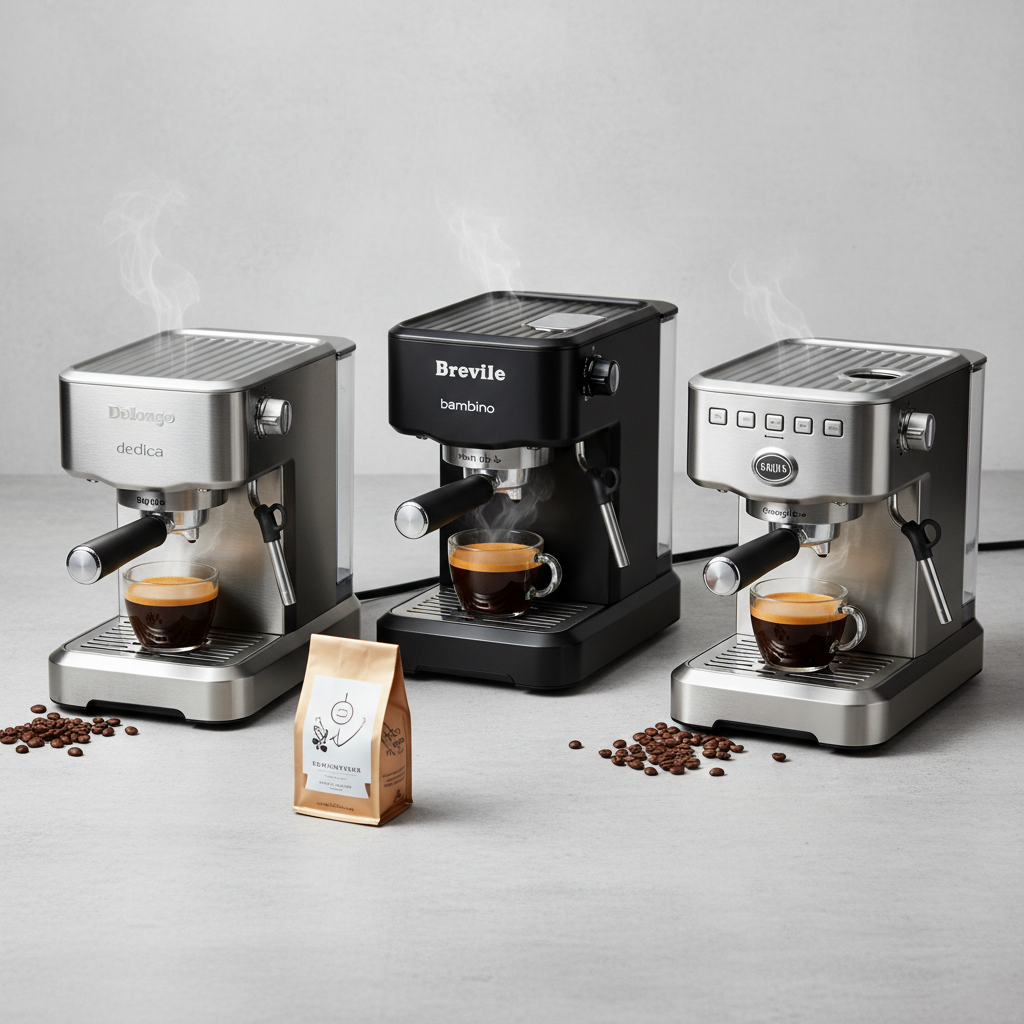
Searching for the best espresso machine under $500 can feel like a daunting task, but don't worry – our experts have done the hard work for you. We understand that finding a machine that delivers rich, authentic espresso without breaking the bank is crucial for home baristas in 2026. This comprehensive guide cuts through the noise, reviewing the top models that consistently perform above their price point, offering excellent value, robust features, and delicious results. Whether you're a beginner or looking to upgrade, our thoroughly tested picks will help you craft café-quality beverages right in your kitchen.
1. Gaggia Classic Pro – Best Overall Value
The Gaggia Classic Pro continues its reign as a top contender for home baristas, even in 2026, offering an incredible balance of performance, durability, and user control for its price. This semi-automatic machine is a workhorse, featuring a commercial-style 58mm portafilter, a powerful 9-bar vibratory pump, and a rapid-heating boiler. Its redesigned commercial steam wand is a significant upgrade, allowing for impressive microfoam production for lattes and cappuccinos. While it requires a bit of a learning curve to master, the Classic Pro rewards patience with consistently excellent espresso shots and the potential for extensive modifications and upgrades, making it a favorite among enthusiasts.
Pros & Cons
- Pros:
- Excellent espresso quality with practice.
- Commercial-grade 58mm portafilter and brew group.
- Powerful, articulating commercial steam wand for microfoam.
- Durable stainless steel construction.
- Highly modifiable (PID, pressure adjustments).
- Cons:
- Steep learning curve for beginners.
- No built-in PID for temperature stability (out of the box).
- Small drip tray.
Price & Value: Often hovering around the $450-$500 mark, the Gaggia Classic Pro offers unparalleled value for those seeking a true barista experience and the ability to grow with their machine. Its robust build ensures years of service.

2. Breville Bambino Plus – Best for Beginners
The Breville Bambino Plus is an absolute game-changer for beginners and anyone seeking convenience without sacrificing quality, making it an easy pick for 2026. This compact machine heats up in just 3 seconds thanks to its ThermoJet heating system, allowing you to go from cold to brewing in record time. It boasts an automatic milk texturing system that creates silky microfoam at the touch of a button, perfect for latte art novices. With its 54mm portafilter, low-pressure pre-infusion, and precise temperature control, the Bambino Plus consistently pulls delicious shots, proving that great espresso doesn't have to be complicated.
Pros & Cons
- Pros:
- Extremely fast 3-second heat-up time.
- Automatic milk frothing for perfect microfoam.
- Compact footprint, ideal for small kitchens.
- Intuitive and easy to use for beginners.
- Low-pressure pre-infusion for balanced extraction.
- Cons:
- Smaller 54mm portafilter (less common than 58mm).
- Automatic frothing lacks manual control for advanced users.
- Plastic build feels less premium than some competitors.
Price & Value: Typically priced just under $500, the Breville Bambino Plus offers incredible convenience and consistent results, making it an excellent investment for those prioritizing ease of use and speed in 2026.
3. De'Longhi Dedica Arte – Best Slim Design
The De'Longhi Dedica Arte, an evolution of the popular Dedica line, impresses with its ultra-slim profile and enhanced features, solidifying its place among the best espresso machines under $500 in 2026. This machine is perfect for kitchens where counter space is at a premium, yet it doesn't compromise on performance. It features a professional-style steam wand for manual milk frothing, allowing for more control over your lattes and cappuccinos. The Dedica Arte comes with a 15-bar pump and offers a customizable temperature and shot size, providing flexibility for different coffee preferences. It's a stylish and capable choice for those who appreciate design and decent espresso.
Pros & Cons
- Pros:
- Extremely compact and slim design.
- Professional-style manual steam wand.
- Fast heat-up time.
- Adjustable temperature and shot size.
- Sleek stainless steel finish.
- Cons:
- Smaller portafilter size (51mm).
- Can be a bit loud during operation.
- Water tank is relatively small.
Price & Value: Usually found in the $300-$350 range, the De'Longhi Dedica Arte provides excellent value for its sleek design, manual frothing capabilities, and solid espresso performance, especially for space-conscious users in 2026.

4. Calphalon Temp IQ Espresso Machine with Steam Wand – Best for Temperature Control
The Calphalon Temp IQ Espresso Machine stands out in the under-$500 category for its focus on temperature stability, a critical factor for great espresso. Equipped with thermoblock heating technology and PID temperature control, this machine ensures consistent and optimal brewing temperatures for every shot. It features a 58mm commercial-style portafilter, allowing for better puck preparation and extraction. The powerful steam wand produces rich microfoam, and the included stainless steel milk pitcher is a thoughtful addition. For those who prioritize precision and consistency in their espresso, the Temp IQ is a strong contender in 2026.
Pros & Cons
- Pros:
- PID temperature control for consistent brewing.
- Commercial-style 58mm portafilter.
- Powerful steam wand for quality milk frothing.
- Includes stainless steel milk pitcher and tamper.
- Fast thermoblock heating system.
- Cons:
- Build quality feels slightly less robust than Gaggia.
- Drip tray can fill up quickly.
- Can be difficult to find accessories for the 58mm portafilter.
Price & Value: Typically priced around $400-$450, the Calphalon Temp IQ offers excellent value with its PID control and 58mm portafilter, making it a competitive choice for serious home baristas in 2026.
5. Mr. Coffee Cafe Barista – Best Budget-Friendly Automatic
For those seeking an automatic experience without the hefty price tag, the Mr. Coffee Cafe Barista remains a fantastic option in 2026. This semi-automatic machine simplifies the process of making lattes and cappuccinos with its one-touch control panel and automatic milk frother. Simply add milk to the reservoir, select your drink, and the machine does the rest, steaming and dispensing milk directly into your cup. While it may not offer the granular control of higher-end machines, it consistently produces enjoyable espresso-based drinks, making it ideal for busy mornings or anyone new to home espresso. It's a true set-it-and-forget-it solution.
Pros & Cons
- Pros:
- One-touch automatic latte and cappuccino functions.
- Removable milk reservoir for easy cleaning and storage.
- Very user-friendly and intuitive.
- Affordable price point.
- Compact footprint.
- Cons:
- Less control over espresso variables (grind, tamp, temperature).
- Milk frother can be inconsistent over time.
- Espresso quality is good, but not expert-level.
- Plastic construction.
Price & Value: Often available for under $250, the Mr. Coffee Cafe Barista offers exceptional value for its automatic convenience and ability to produce a variety of espresso drinks, making it a top budget pick for 2026.

6. Flair Neo Flex – Best Manual Espresso Maker
The Flair Neo Flex offers a unique manual espresso experience, providing unparalleled control and surprisingly high-quality shots for its price, making it a standout choice for enthusiasts in 2026. Unlike electric machines, the Neo Flex relies on human power to press water through the coffee, allowing for precise control over pressure and flow. Its simple design means fewer parts to break and easy cleaning. While it requires a separate grinder and a bit more effort, the resulting espresso can rival machines costing significantly more, characterized by rich crema and complex flavors. It’s perfect for those who enjoy the ritual of making coffee and want to truly understand the brewing process.
Pros & Cons
- Pros:
- Exceptional espresso quality for the price.
- Complete control over pressure and extraction.
- Portable and durable design.
- Easy to clean and maintain.
- No electricity required.
- Cons:
- Manual operation requires effort and time.
- No milk frothing capability (requires separate device).
- Steep learning curve to master.
- Requires a good quality grinder.
Price & Value: Ranging from $120-$180, the Flair Neo Flex offers incredible value for the quality of espresso it produces, making it an excellent entry point into manual espresso for 2026, especially for those who already own a good grinder.
How to Choose the Right Espresso Machine Under $500
Navigating the world of espresso machines can be complex, especially when you're looking for quality on a budget. In 2026, many excellent options exist under $500, but choosing the right one depends on your priorities. Here's what to consider:
Type of Machine: Semi-Automatic vs. Automatic vs. Manual
- Semi-Automatic: These machines require you to grind, tamp, and initiate/stop the shot yourself. They offer the most control over the brewing process, allowing for customization and skill development. Most of our top picks fall into this category.
- Automatic (or Super-Automatic): While true super-automatics (bean-to-cup) are typically above $500, some "automatic" machines in this range (like the Mr. Coffee Cafe Barista) automate milk frothing and shot size. They offer convenience but less control.
- Manual: Machines like the Flair Neo Flex require you to manually apply pressure. They offer ultimate control and often superior shot quality for the price but demand more effort and a separate grinder/milk frother.
Pump Pressure (Bars)
Most home espresso machines advertise 15 or even 20 bars of pressure. While commercial machines typically operate at 9 bars, higher advertised bars usually mean the pump can generate that pressure, not that it should brew at it. What's important is the machine's ability to deliver consistent pressure at the brew head, ideally around 9 bars, often achieved through an over-pressure valve (OPV). Don't get too hung up on numbers above 9; consistency is key.
Portafilter Size and Type
Portafilters come in various sizes, with 58mm being the commercial standard (found on the Gaggia Classic Pro and Calphalon Temp IQ). A larger portafilter allows for a wider, shallower puck, which can lead to more even extraction. Smaller sizes (51mm, 54mm) are common in budget machines. Also, consider if the machine uses pressurized or non-pressurized (naked) portafilters. Non-pressurized offers more control and better feedback for experienced users, while pressurized baskets are more forgiving for pre-ground coffee.
Steam Wand Quality
For milk-based drinks, a good steam wand is crucial. Look for a "commercial-style" or "articulating" wand that offers manual control over milk texturing. These allow you to create silky microfoam for latte art. Automatic frothers (like on the Breville Bambino Plus) are convenient but offer less control. A powerful boiler or thermoblock is essential for consistent steam.
Heating System
There are two main types:
- Boiler: Traditional, often found in semi-automatic machines like the Gaggia Classic Pro. Offers stable temperature but can take longer to heat up and switch between brewing and steaming.
- Thermoblock/ThermoJet: Heats water on demand, leading to very fast heat-up times (e.g., Breville Bambino Plus). Great for speed, but some argue they offer slightly less temperature stability than a well-tuned boiler.
Build Quality and Durability
Machines with stainless steel housing and brass components tend to be more durable and retain heat better. While plastic is common in the under-$500 range, look for sturdy construction. A heavier machine often indicates better internal components.
Ease of Use and Maintenance
Consider your comfort level. Do you want a machine that simplifies the process, or are you willing to learn and experiment? Removable water tanks, accessible drip trays, and easy-to-clean steam wands contribute to a better user experience.

Frequently Asked Questions
Is a $500 espresso machine worth it in 2026?
Absolutely! In 2026, a $500 budget for an espresso machine can get you a highly capable semi-automatic model that delivers excellent espresso quality, often comparable to what you'd find in a good cafe. These machines typically offer durable components, good steam wands, and enough control to hone your barista skills, making them a fantastic investment for coffee lovers.
What's the main difference between semi-automatic and super-automatic machines in this price range?
Under $500, you'll primarily find semi-automatic machines, which require you to grind, tamp, and manually pull your shots. Some budget "automatic" machines exist (like the Mr. Coffee Cafe Barista) that automate milk frothing. True super-automatic (bean-to-cup) machines, which grind beans, tamp, brew, and even froth milk all with one button, are generally priced well above $500.
Can I make latte art with an espresso machine under $500?
Yes, many espresso machines under $500, especially those with a good manual steam wand (like the Gaggia Classic Pro or De'Longhi Dedica Arte), are capable of producing the silky microfoam necessary for latte art. It requires practice and the right technique, but the equipment is definitely capable. Machines with automatic frothers (like the Breville Bambino Plus) can also produce good foam, though with less manual control.
What accessories do I need for a home espresso setup under $500?
Beyond the machine itself, essential accessories include a good quality burr grinder (this is CRITICAL for good espresso, even with a budget machine), a tamper (some machines include a decent one, but an upgrade is often beneficial), a milk pitcher if your machine has a manual steam wand, and a knock box for spent coffee pucks. A digital scale for weighing coffee grounds and espresso shots is also highly recommended for consistency.
How many bars of pressure do I need for good espresso?
The ideal brewing pressure for espresso is generally considered to be around 9 bars. While many home machines advertise 15 or 20 bars, this refers to the pump's maximum capability, not the actual brewing pressure. What's important is that the machine can consistently deliver stable pressure at the brew head, ideally regulated to around 9 bars, to extract the best flavors from your coffee.
Are pods or ground coffee better for espresso machines under $500?
For the best quality espresso, freshly ground whole beans are always superior. Pre-ground coffee, or even ESE pods, will often yield a less flavorful and less consistent shot because the coffee starts to stale immediately after grinding. While some machines in this price range can use pods, we highly recommend investing in a good burr grinder and fresh whole beans for a truly authentic espresso experience.
Final Verdict
Finding the best espresso machine under $500 in 2026 is entirely possible, and our expert-tested selections prove that you don't need to spend thousands to enjoy café-quality coffee at home. Each machine reviewed offers a unique set of features tailored to different preferences, from the aspiring barista to the busy morning commuter.
Our top recommendation for overall value and performance goes to the Gaggia Classic Pro. While it demands a bit of a learning curve, its commercial-grade components, robust build, and potential for modification make it an investment that will pay dividends in delicious espresso for years to come. For beginners prioritizing speed and convenience without sacrificing quality, the Breville Bambino Plus is an unbeatable choice. Ultimately, the best machine for you will align with your skill level, desired features, and commitment to the art of espresso making.