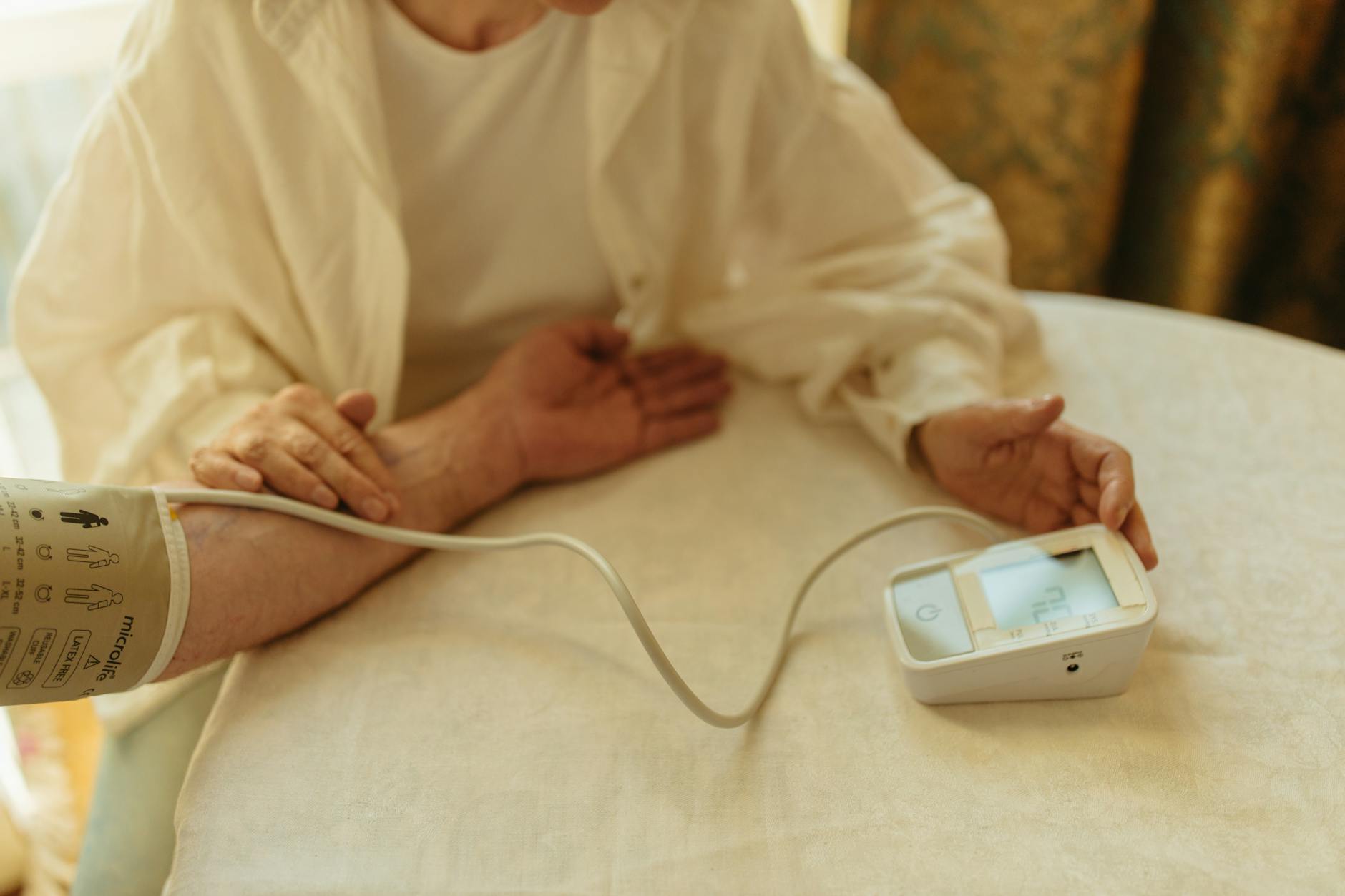
Monitoring your blood pressure at home is one of the most proactive steps you can take for your cardiovascular health. It empowers you with valuable data, helps you track the effectiveness of medications, and can even help identify "white coat hypertension," where readings are higher in a clinical setting due to anxiety. While professional-grade monitors can be pricey, the good news is that you don't need to break the bank to get an accurate and reliable device. This comprehensive guide will help you navigate the options and find the best budget blood pressure monitor for home use in 2026, ensuring you make an informed decision without compromising on accuracy or essential features.
In this guide, we'll delve into the crucial factors to consider when purchasing an affordable monitor, offer our top budget-friendly recommendations, highlight common mistakes to avoid, and answer frequently asked questions. Our goal is to equip you with all the knowledge needed to confidently choose a device that fits your health needs and your wallet.
Why Monitor Blood Pressure at Home?
Regular home blood pressure monitoring offers numerous benefits beyond what occasional doctor's visits can provide. Firstly, it gives a more accurate picture of your average blood pressure over time, free from the stress of a clinic environment. This "real-world" data is invaluable for your doctor in diagnosing hypertension and tailoring treatment plans. Secondly, it helps you identify patterns and triggers, allowing you to see how lifestyle changes, diet, exercise, or medication affect your readings. For individuals managing hypertension, consistent home monitoring can be a powerful tool for staying on track and preventing complications.
Furthermore, early detection of high blood pressure is crucial. Hypertension often presents without symptoms, earning it the moniker "the silent killer." By regularly checking your blood pressure at home, you can catch elevated readings early and seek medical advice before the condition progresses and causes damage to your heart, brain, kidneys, and other organs. Investing in the best budget blood pressure monitor for home use is a small step that can lead to significant long-term health benefits.
Understanding Your Blood Pressure Readings
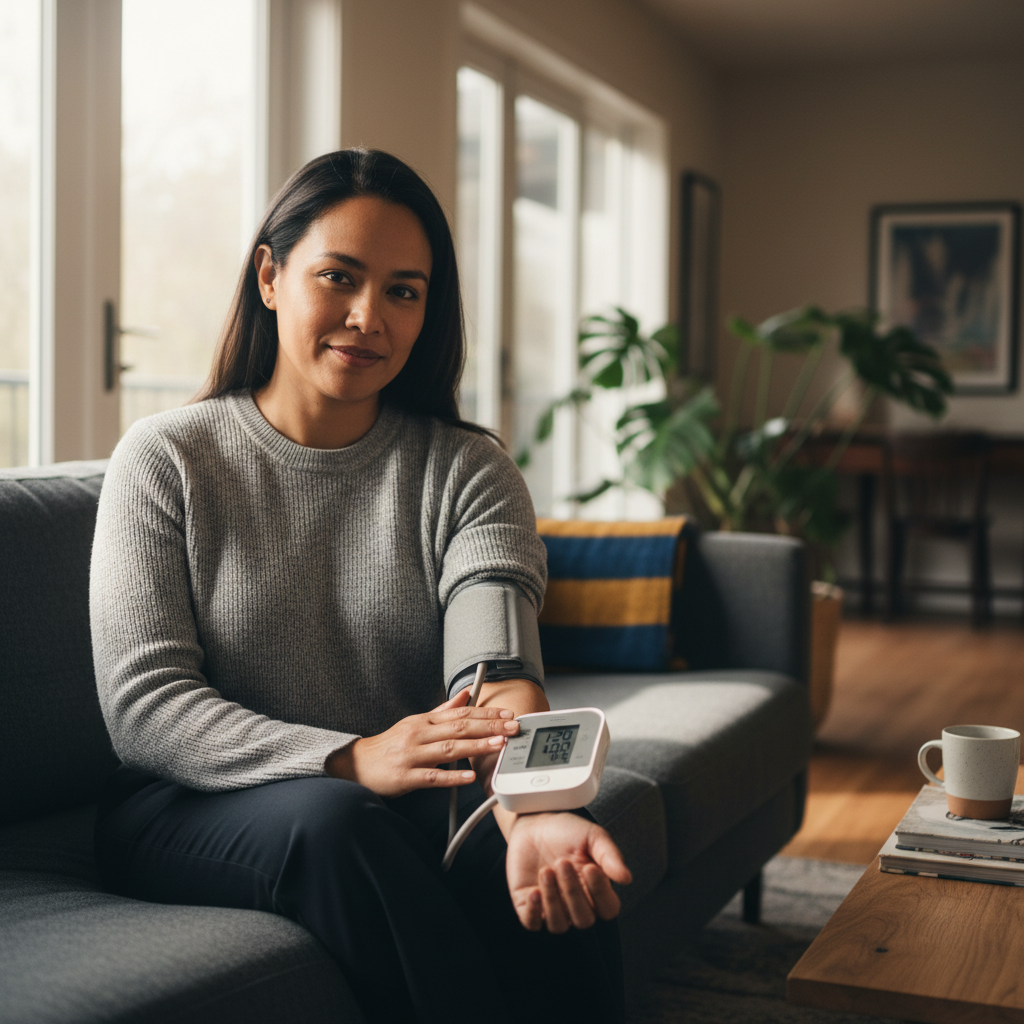
Before you start monitoring, it’s helpful to understand what your blood pressure readings mean. Blood pressure is measured in millimeters of mercury (mmHg) and consists of two numbers:
- Systolic Pressure (Top Number): This measures the pressure in your arteries when your heart beats, pushing blood out.
- Diastolic Pressure (Bottom Number): This measures the pressure in your arteries when your heart rests between beats.
Here’s a general guide to blood pressure categories for adults:
| Category | Systolic (mmHg) | Diastolic (mmHg) | |
|---|---|---|---|
| Normal | Less than 120 | and | Less than 80 |
| Elevated | 120-129 | and | Less than 80 |
| High Blood Pressure (Hypertension Stage 1) | 130-139 | or | 80-89 |
| High Blood Pressure (Hypertension Stage 2) | 140 or higher | or | 90 or higher |
| Hypertensive Crisis | Higher than 180 | and/or | Higher than 120 |
Always consult your doctor to interpret your readings and determine what's normal for you. Consistent readings in the "Elevated" or "High Blood Pressure" categories warrant medical attention. The goal of using the best budget blood pressure monitor for home use is to provide your healthcare provider with a comprehensive log of your readings.
What to Look For in the best budget blood pressure monitor for home use
When searching for an affordable blood pressure monitor, it's essential to prioritize certain features that ensure accuracy, ease of use, and overall value. A lower price doesn't mean you have to sacrifice quality or reliability. Here are the key criteria to consider:
Accuracy and Clinical Validation
This is arguably the most critical factor. A monitor, regardless of its price, is only useful if it provides accurate readings. Look for devices that have been clinically validated by independent organizations such as the British and Irish Hypertension Society (BIHS), the European Society of Hypertension (ESH), or the Association for the Advancement of Medical Instrumentation (AAMI). Many manufacturers will proudly display these certifications. Even the best budget blood pressure monitor for home use should meet these standards. Check the product description or manufacturer's website for validation information. Some devices might also be listed on reputable validation websites.
Cuff Size and Fit
An improperly sized cuff is one of the leading causes of inaccurate blood pressure readings. Cuffs come in various sizes (small, standard, large, extra-large), and some monitors offer "universal" cuffs designed to fit a wider range of arm circumferences. Before purchasing, measure the circumference of your upper arm (midway between your shoulder and elbow) and compare it to the monitor's cuff size range. A cuff that's too small will give artificially high readings, while one that's too large will yield artificially low readings. Ensure the budget monitor you choose offers a cuff that fits you or has an option to purchase a correctly sized cuff separately.
Ease of Use
For a home use device, simplicity is key, especially if multiple family members or elderly individuals will be using it. Look for monitors with one-touch operation, clear instructions, and intuitive button layouts. The inflation and deflation process should be automatic and relatively quiet. A simple interface ensures that you can take consistent readings without hassle or confusion, making it more likely you'll use it regularly. The best budget blood pressure monitor for home use should not require a degree in engineering to operate.
Memory and Data Storage
Tracking your blood pressure over time is crucial for monitoring trends and sharing data with your doctor. Most modern monitors, even budget-friendly ones, come with internal memory to store a certain number of readings (e.g., 30, 60, or 100 readings). Some may even offer separate memory banks for two users. An average function, which calculates the average of your last few readings, is also a valuable feature for providing a more stable picture of your blood pressure. This eliminates the need for manual record-keeping and provides a clearer historical context.
Display and Readability
A clear, large digital display is essential for easily reading your blood pressure numbers. Look for monitors with large, high-contrast digits, especially if you have vision impairments. Backlit displays can be a significant advantage for use in dimly lit rooms. Some advanced budget models might even feature color-coded indicators (e.g., green for normal, yellow for elevated, red for high) to help you quickly understand where your readings fall within the standard categories. This visual aid can be very helpful for quick interpretation.
Power Source
Most home blood pressure monitors run on AA or AAA batteries. Consider the battery life and whether the device includes an AC adapter port. While an AC adapter might not always be included with budget models, having the option to use one can save money on batteries in the long run and ensures the monitor is always ready for use. If it's purely battery-powered, look for models known for good battery efficiency. The convenience of an AC adapter can make a monitor much more reliable for daily use without worrying about power levels.
Portability and Design
If you plan to travel with your monitor or have limited storage space, consider its size and weight. Compact and lightweight designs are preferable. While design might seem secondary to accuracy, a well-designed, sturdy device is more likely to withstand regular use and last longer. A carrying case, even a simple drawstring bag, can also be a nice bonus for protecting the monitor when not in use. The overall footprint and ease of packing can be a factor for many users.
Warranty and Customer Support
Even with budget purchases, a good warranty offers peace of mind. Most reputable manufacturers offer at least a 1-year warranty on their devices. Check the terms and conditions, and also consider the availability and responsiveness of customer support. Knowing that you can get assistance if you encounter issues adds significant value to your purchase, even for an inexpensive item. A strong warranty indicates the manufacturer's confidence in their product.
Top Picks: The best budget blood pressure monitor for home use in 2026
Based on a balance of accuracy, features, ease of use, and affordability, we've identified some excellent contenders for the best budget blood pressure monitor for home use. These recommendations cover different price points within the budget category, offering options for various needs.
Entry-Level Value: Basic & Reliable BP Monitor X
The "Basic & Reliable BP Monitor X" is an excellent choice for those seeking a no-frills, highly accurate device at an incredibly low price point. It focuses on the essentials: precise readings and simplicity. Featuring one-touch operation, a clear LCD display, and an automatic inflation system, it's incredibly user-friendly, making it ideal for first-time users or individuals who prefer straightforward technology. It typically includes a standard cuff that fits most adult arms and stores up to 60 readings, allowing for basic trend tracking. While it might lack advanced features like Bluetooth connectivity or multi-user profiles, its core function of accurate blood pressure measurement is robust and clinically validated.
- Pros: Exceptional value, very easy to use, clinically validated accuracy, compact design.
- Cons: Limited memory (single user), no advanced features like app integration, often battery-only power.
- Best For: Individuals who need a simple, accurate monitor for personal use without any extra complexities.
Mid-Range Performer: Advanced Home BP Monitor Y
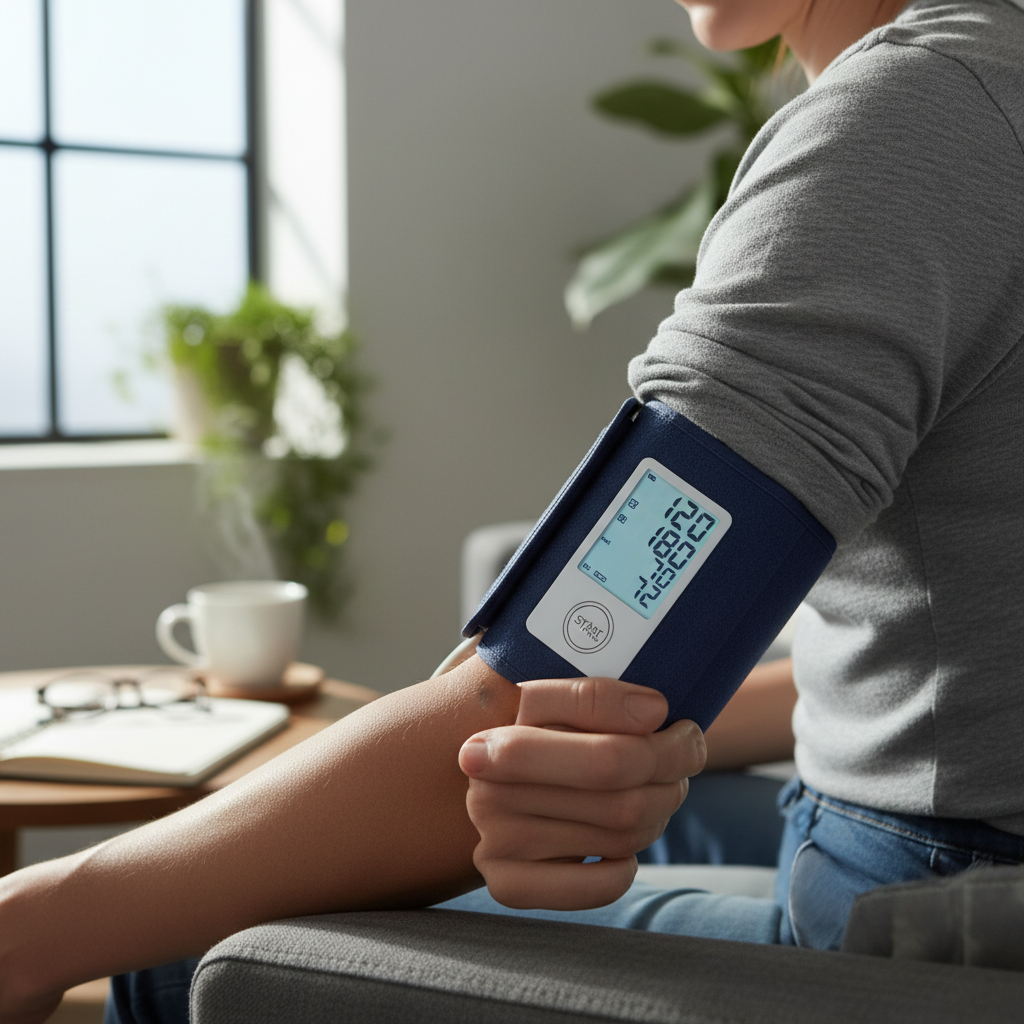
Stepping up slightly in features while remaining firmly in the budget category, the "Advanced Home BP Monitor Y" offers a fantastic balance of functionality and affordability. This model often boasts a larger, backlit display for enhanced readability, especially in low light. It typically supports two users with separate memory banks, each storing 90-120 readings, and includes an average function for the last three readings – a crucial feature for medical consultations. Many versions come with a universal cuff that accommodates a wider range of arm sizes, reducing the guesswork. Some models in this tier might even include an AC adapter for continuous power. It's a great option for families or individuals who want more data tracking capabilities without a significant price jump.
- Pros: Large backlit display, two-user memory with averaging, often includes universal cuff, option for AC adapter.
- Cons: Still lacks smart connectivity, slightly larger footprint than basic models.
- Best For: Couples or individuals who want more comprehensive data tracking and enhanced readability without a premium price.
Feature-Rich Budget Choice: Smart & Accurate BP Monitor Z
For those who want to leverage technology without exceeding a tight budget, the "Smart & Accurate BP Monitor Z" often represents the pinnacle of what the best budget blood pressure monitor for home use can offer. This category of monitors frequently includes Bluetooth connectivity, allowing you to sync your readings directly to a smartphone app. These apps often provide detailed graphs, trend analysis, and the ability to easily share data with your doctor via email. Beyond connectivity, expect features like irregular heartbeat detection, a large multi-color display, and extensive memory storage for multiple users. While these are "budget" in comparison to high-end smart monitors, they provide significant value by integrating modern conveniences at a fraction of the cost. They are designed for tech-savvy users who appreciate digital health management.
- Pros: Bluetooth connectivity and app integration, detailed data tracking, irregular heartbeat detection, often comes with AC adapter.
- Cons: App setup might require some technical comfort, slightly higher price within the budget range.
- Best For: Tech-savvy users who want to track their data digitally and easily share it with healthcare providers.
Common Mistakes to Avoid When Using a Home Blood Pressure Monitor
Even with the best budget blood pressure monitor for home use, incorrect usage can lead to inaccurate readings and potentially misguided health decisions. Avoid these common pitfalls to ensure you get the most reliable data:
- Using the Wrong Cuff Size: As mentioned, this is a major culprit for inaccurate readings. Always ensure your cuff fits snugly and correctly according to the manufacturer's instructions. A cuff that is too loose, too tight, too small, or too large will compromise accuracy.
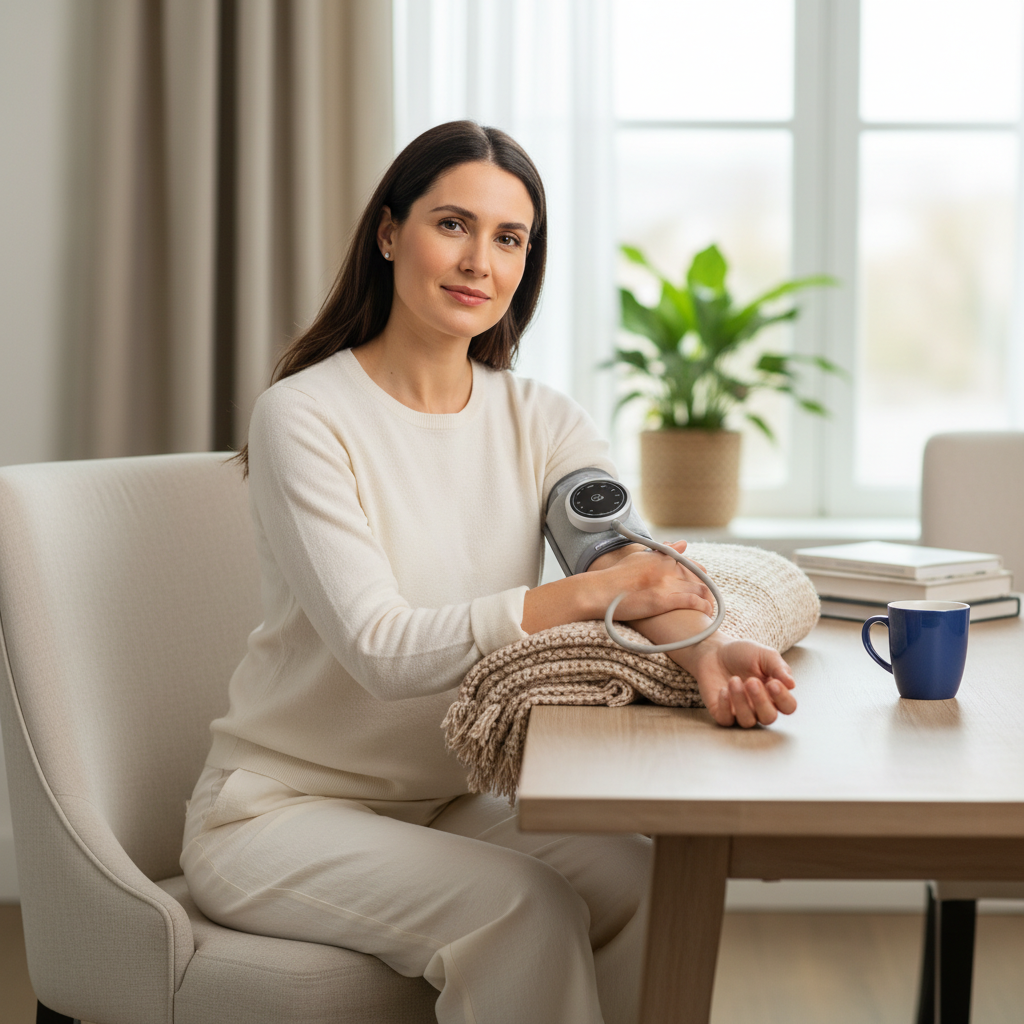
- Improper Body Position: Always sit upright with your back supported and your feet flat on the floor, uncrossed. Your arm should be resting on a flat surface, with the cuff at heart level. Avoid slouching or having your arm hanging down.
- Taking Readings Too Soon: Don't measure immediately after exercising, bathing, eating, consuming caffeine, smoking, or experiencing stress. Wait at least 30 minutes after these activities for your body to return to a relaxed state.
- Talking or Moving During Measurement: Remain still and silent during the measurement process. Talking, fidgeting, or even laughing can temporarily elevate your blood pressure and skew the reading.
- Not Taking Multiple Readings: A single reading can be an outlier. It's best practice to take two or three readings a minute or two apart and average them. This provides a more accurate representation of your blood pressure.
- Panicking Over One High Reading: Blood pressure naturally fluctuates throughout the day. Don't panic if you get a single high reading. Take a few more readings, relax, and if consistently high, consult your doctor.
- Ignoring Doctor's Advice: Your home monitor is a tool for data collection, not diagnosis or treatment adjustment. Always follow your doctor's instructions regarding medication and lifestyle changes. Share your readings with them regularly.
- Not Calibrating or Checking Accuracy: While home monitors don't typically require user calibration, it's a good idea to periodically take your monitor to your doctor's office and compare its readings with their professional device to ensure it's still accurate.
Frequently Asked Questions (FAQ)
Are budget blood pressure monitors accurate?
Yes, many budget blood pressure monitors are highly accurate, provided they are clinically validated. Price is not always an indicator of accuracy. Look for certifications from organizations like BIHS, ESH, or AAMI. These validations confirm that the device meets rigorous standards for precision, even if it's an affordable option. The key is to choose a reputable brand and ensure proper cuff fit and measurement technique.
How often should I check my blood pressure?
The frequency of blood pressure monitoring depends on your health condition and your doctor's recommendations. If you have been diagnosed with hypertension or are at risk, your doctor might advise daily or twice-daily readings. If you're just monitoring for general wellness, a few times a week or even once a week might suffice. Always follow your healthcare provider's specific instructions.
What's the difference between an arm cuff and a wrist cuff monitor?
Arm cuff monitors (upper arm) are generally considered more accurate and are recommended by most medical professionals. Wrist cuff monitors are more portable and convenient but are more sensitive to body position and can yield less consistent readings. For the best budget blood pressure monitor for home use, an upper arm cuff is usually the preferred choice for reliability, especially if accuracy is a top priority.
Should I consult my doctor before buying a monitor?
While not strictly necessary to buy one, it's highly recommended to discuss home blood pressure monitoring with your doctor. They can advise you on the best type of monitor for your specific needs, demonstrate the correct technique, and help you interpret your readings. They can also recommend clinically validated models or brands they trust.
How do I calibrate my home blood pressure monitor?
Home blood pressure monitors are typically pre-calibrated at the factory and do not require user calibration. Attempting to calibrate it yourself could damage the device or compromise its accuracy. However, it's a good practice to periodically take your monitor to your doctor's office and compare its readings with their professional device to ensure it remains accurate over time. If there's a significant discrepancy, the monitor may need servicing or replacement.
Conclusion
Taking control of your health starts with understanding your body, and a reliable blood pressure monitor is an invaluable tool in that journey. You don't need to spend a fortune to get a device that provides accurate and consistent readings. By focusing on essential features like clinical validation, correct cuff size, and ease of use, you can confidently find the best budget blood pressure monitor for home use that meets your needs.
Whether you choose a simple entry-level model or a feature-rich budget option with smart connectivity, the most important thing is consistent and correct usage. Regular home monitoring empowers you and your doctor with critical data, enabling proactive health management and contributing to a healthier future. Make the smart choice for your heart health today without breaking your budget.