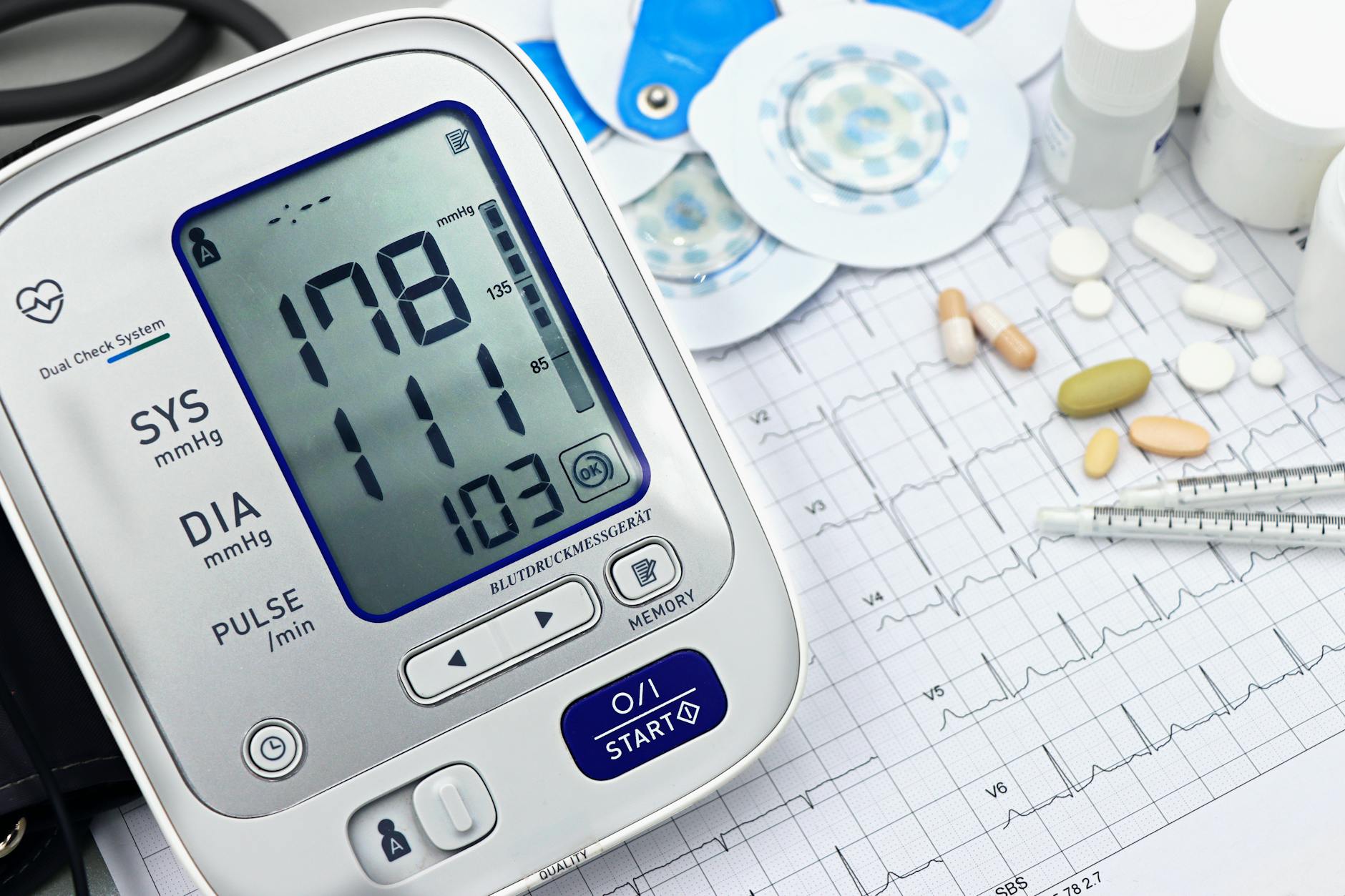
Monitoring your blood pressure at home has become an indispensable tool for managing cardiovascular health. With advancements in technology, the market for home blood pressure monitors is constantly evolving, offering more accurate, user-friendly, and feature-rich devices. As we navigate through 2026, choosing the best home blood pressure monitor 2026 means understanding the latest innovations and how they can benefit your specific health needs.
High blood pressure, or hypertension, often shows no symptoms, earning it the moniker "the silent killer." Regular home monitoring empowers you to track your readings consistently, share vital data with your healthcare provider, and take proactive steps towards better health. This comprehensive guide will walk you through everything you need to know to select a monitor that provides reliable results and fits seamlessly into your lifestyle, ensuring you make an informed decision for your well-being in 2026 and beyond.
What to Look For in a Home Blood Pressure Monitor in 2026
When searching for the best home blood pressure monitor 2026, several key factors come into play. These criteria ensure you invest in a device that is not only accurate but also convenient, durable, and suited to your individual requirements. Understanding these aspects will help you cut through the marketing jargon and pinpoint the features that truly matter for effective home monitoring.
Accuracy and Clinical Validation
The primary purpose of a blood pressure monitor is to provide accurate readings. Without accuracy, the data is meaningless and potentially misleading. Always prioritize monitors that have been clinically validated by independent organizations. Look for certifications from bodies like the British and Irish Hypertension Society (BIHS), the European Society of Hypertension (ESH), or the American Medical Association (AMA) validation programs. These validations ensure the device has undergone rigorous testing and meets international standards for precision. In 2026, many leading brands prominently display their validation status, making it easier for consumers to verify. Remember that even the most accurate device needs to be used correctly to yield true readings.
Cuff Size and Fit
One of the most common reasons for inaccurate blood pressure readings is using an incorrect cuff size. A cuff that's too small will give an artificially high reading, while one that's too large can result in an artificially low reading. Most monitors come with a standard cuff, but it's crucial to measure your arm circumference before purchasing. Measure the circumference of your upper arm midway between your shoulder and elbow. Monitors typically specify the range of arm circumferences their cuff supports. Many modern devices in 2026 offer universal cuffs designed to fit a wider range of arm sizes, or provide options for small, medium, and large cuffs. Ensure the cuff is comfortable and easy to apply correctly, as a proper fit is paramount for consistent and reliable measurements.

Ease of Use and Display
A blood pressure monitor, no matter how advanced, should be straightforward to operate. Look for models with large, clear, backlit displays that are easy to read, especially for individuals with vision impairments. One-touch operation is a highly desirable feature, allowing you to take a reading with minimal fuss. The buttons should be clearly labeled and intuitive. In 2026, many monitors feature color-coded indicators (like green, yellow, red) to instantly show if your reading falls within a healthy range, making interpretation much simpler. Consider the overall design – is it bulky or sleek? Does it feel durable? A monitor that is easy to use encourages consistent monitoring, which is key to managing your blood pressure effectively.
Connectivity and Data Management (Smart Features)
For those who prefer digital convenience, smart blood pressure monitors are increasingly popular in 2026. These devices often connect via Bluetooth or Wi-Fi to a smartphone app, allowing you to automatically track, store, and analyze your readings over time. This feature eliminates the need for manual logging and provides valuable insights into trends and patterns. Many apps offer charts, graphs, and the ability to share data directly with your doctor, streamlining communication during appointments. Some advanced models can even integrate with other health apps or smart home devices. While not essential for everyone, smart connectivity can be a game-changer for individuals committed to comprehensive health tracking and data-driven health management.

Memory and Multiple Users
If multiple people in your household will be using the same monitor, or if you simply want to track your readings over an extended period, memory capacity is important. Most home blood pressure monitors come with internal memory that can store dozens, if not hundreds, of past readings. Look for devices that can store data for multiple users independently, preventing mixed-up readings. This feature is particularly useful for couples or families monitoring their health. The ability to recall previous measurements allows you and your doctor to observe long-term trends and assess the effectiveness of any lifestyle changes or medications.
Power Source and Portability
Consider how the monitor is powered. Most devices run on AA or AAA batteries, offering portability and freedom from outlets. Some models also include an AC adapter option, which can be more economical for daily use at home, saving on battery costs. If you travel frequently or plan to take your monitor to work, a battery-powered, compact, and lightweight design will be more suitable. Assess whether the monitor comes with a carrying case for protection and ease of transport. The ideal power solution balances convenience for home use with flexibility for on-the-go monitoring.
Advanced Features: Irregular Heartbeat Detection and AFib Screening
Beyond basic blood pressure measurement, many modern monitors in 2026 offer advanced features that can provide additional health insights. Irregular heartbeat detection is a common feature that alerts you if an irregular pulse is detected during measurement. While not a diagnostic tool, it can prompt you to consult your doctor for further evaluation. More advanced monitors may even incorporate AFib (Atrial Fibrillation) screening technology, which can detect potential signs of this serious heart rhythm disorder. These features add significant value, offering early warning signs that could lead to timely medical intervention. However, it's crucial to remember that these are screening tools, not diagnostic ones, and a doctor should always be consulted for confirmation.
Brand Reputation and Warranty
Investing in a reputable brand often correlates with better quality, reliability, and customer support. Established brands in the medical device industry typically have a track record of producing accurate and durable products. Check customer reviews and ratings, but also consider the warranty offered. A good warranty (e.g., 3-5 years) indicates the manufacturer's confidence in their product and provides peace of mind in case of defects or malfunctions. Excellent customer service can also be invaluable if you encounter issues or have questions about your device.
Budget Recommendations for the Best Home Blood Pressure Monitor 2026
The price range for home blood pressure monitors varies significantly, reflecting different features, brands, and levels of sophistication. Whether you're looking for a basic, reliable model or a high-tech smart device, there's an option for every budget. Here are our top picks for the best home blood pressure monitor 2026 across different price points.
Low Budget: Reliable and Essential Monitoring
For those seeking an affordable yet accurate monitor, there are excellent options that provide all the essential functions without breaking the bank. These models typically focus on core accuracy and ease of use, making them perfect for basic, consistent monitoring.
Basic Digital Arm Cuff Monitor
This entry-level model offers clinical accuracy with a simple, one-button operation. It features a clear digital display, automatic inflation, and an irregular heartbeat detector. While it might lack smart connectivity, it usually includes a memory function for one or two users, storing up to 60 readings each. It's powered by AA batteries, making it portable and convenient for everyday use. Its straightforward design ensures that anyone can use it effectively to keep track of their blood pressure.
Mid-Range: Enhanced Features and Value
Mid-range monitors strike a balance between affordability and advanced features. These devices often include greater memory capacity, improved display features, and sometimes basic connectivity options, offering excellent value for money.
Advanced Memory Blood Pressure Monitor
Stepping up in features, this monitor typically offers a larger, backlit display with color-coded indicators for easy interpretation of readings. It boasts a higher memory capacity, often storing 120-200 readings for two users, along with date and time stamps. Some models in this category might include Bluetooth connectivity to a basic smartphone app for trend tracking, without all the bells and whistles of premium smart monitors. It usually comes with a universal cuff that fits most arm sizes comfortably and can be powered by both batteries and an AC adapter. This provides a robust solution for regular, detailed monitoring.

High-End: Smart Connectivity and Comprehensive Health Insights
High-end blood pressure monitors represent the pinnacle of home monitoring technology. They offer seamless smart integration, advanced health metrics, and often superior design and build quality, ideal for tech-savvy users or those requiring comprehensive data analysis.
Smart Wireless Blood Pressure Monitor
This premium device is designed for the ultimate connected health experience. It typically features seamless Bluetooth or Wi-Fi connectivity to a sophisticated smartphone app that offers unlimited memory, detailed graphs, trend analysis, and the ability to share data instantly with healthcare providers. Many high-end models include advanced algorithms for detecting irregular heartbeats, AFib screening, and even position sensors to ensure correct measurement posture. The cuff is often pre-formed for easy application and maximum comfort. With a rechargeable battery and a sleek, modern design, this monitor is not just a health tool but an integral part of a connected health ecosystem, making it a strong contender for the best home blood pressure monitor 2026 for those prioritizing comprehensive data and convenience.
Common Mistakes When Using a Home Blood Pressure Monitor
Even with the best home blood pressure monitor 2026, inaccurate readings can occur if the device isn't used correctly. Avoiding these common mistakes is crucial for getting reliable data that truly reflects your cardiovascular health.
- Incorrect Cuff Size: As mentioned, this is perhaps the most frequent error. Always ensure your cuff fits your arm circumference properly. A cuff that is too tight or too loose will give false readings.
- Improper Positioning and Posture:
- Arm Position: Your arm should be resting on a table or armrest, at heart level. Do not let your arm hang unsupported.
- Body Position: Sit upright in a chair with your back supported, feet flat on the floor, and legs uncrossed.
- Cuff Placement: The cuff should be placed directly on your bare skin, not over clothing. The bottom edge of the cuff should be about 1 inch above the bend of your elbow.
- Taking Readings at the Wrong Time: Blood pressure naturally fluctuates throughout the day. For consistency, take readings at the same time each day, usually in the morning before medication and food, and in the evening. Avoid taking readings immediately after waking up, exercising, eating, or drinking caffeine/alcohol.
- Not Resting Before Measurement: Give yourself at least 5 minutes of quiet rest before taking a reading. Talking, moving, or feeling stressed just before or during the measurement can significantly elevate your blood pressure.
- Taking Only One Reading: Always take at least two or three readings, one minute apart, and average them. Your first reading might be higher due to "white coat syndrome" or residual stress.
- Ignoring Trends, Focusing on Single Readings: A single high reading is not necessarily a cause for alarm. It's the trend over time that provides valuable insights. Use the memory function or a connected app to track your readings and look for patterns.
- Self-Diagnosing or Adjusting Medication: Home monitoring is a tool for information, not diagnosis or treatment adjustment. Always consult your doctor before making any changes to your medication or lifestyle based on home readings.

Frequently Asked Questions (FAQ)
What is a normal blood pressure reading?
According to the American Heart Association (AHA), a normal blood pressure reading is generally considered to be less than 120/80 mmHg (millimeters of mercury). The top number (systolic) represents the pressure in your arteries when your heart beats, and the bottom number (diastolic) represents the pressure when your heart rests between beats. Readings consistently above this level may indicate elevated blood pressure or hypertension, requiring consultation with a healthcare professional.
How often should I check my blood pressure at home?
The frequency of home blood pressure monitoring depends on your individual health status and your doctor's recommendations. If you have hypertension, your doctor might advise daily monitoring, typically twice a day (morning and evening) for a period, or less frequently once your blood pressure is well-controlled. If you're monitoring for preventive reasons, checking a few times a week or even once a week might suffice. Always follow your healthcare provider's specific instructions.
Are wrist monitors as accurate as arm monitors?
Generally, arm (upper arm) blood pressure monitors are considered more accurate and are preferred by healthcare professionals for routine monitoring. Wrist monitors can be accurate if used perfectly, but they are more sensitive to body position and can be easily affected by incorrect placement. They are often recommended for individuals who cannot use an arm cuff due to medical conditions or arm size. If you opt for a wrist monitor, ensure it's clinically validated and pay extra attention to proper positioning (wrist at heart level) during measurement.
How do I calibrate my home blood pressure monitor?
Most modern digital home blood pressure monitors come factory-calibrated and do not require user calibration. However, it's a good practice to have your monitor checked for accuracy periodically, usually once a year. You can do this by taking your monitor to your doctor's office and comparing its readings with those taken by their professional device during your appointment. If there's a significant discrepancy, it might be time to replace your monitor or contact the manufacturer for service.
Can my diet affect my blood pressure readings?
Yes, your diet can significantly impact your blood pressure. High intake of sodium (salt) is a major contributor to high blood pressure. Diets rich in potassium, magnesium, and calcium, found in fruits, vegetables, and whole grains, can help lower blood pressure. Consuming excessive amounts of caffeine or alcohol before a reading can temporarily elevate it. A balanced diet, such as the DASH (Dietary Approaches to Stop Hypertension) diet, is often recommended for managing and preventing high blood pressure.
Conclusion
Choosing the best home blood pressure monitor 2026 is a vital step towards taking control of your cardiovascular health. By focusing on key features like clinical accuracy, proper cuff size, ease of use, and intelligent data management, you can find a device that not only provides reliable readings but also integrates seamlessly into your health routine. Remember, your home monitor is a powerful tool for early detection and ongoing management of blood pressure, but it should always be used in conjunction with advice from your healthcare provider.
Whether you opt for a basic, reliable model or a high-end smart device, consistent and correct usage is paramount. Armed with the knowledge from this guide, you are now well-equipped to make an informed decision and invest in a monitor that will serve your health needs effectively in 2026 and for years to come. Prioritize your health, monitor regularly, and stay proactive in your journey towards a healthier heart.