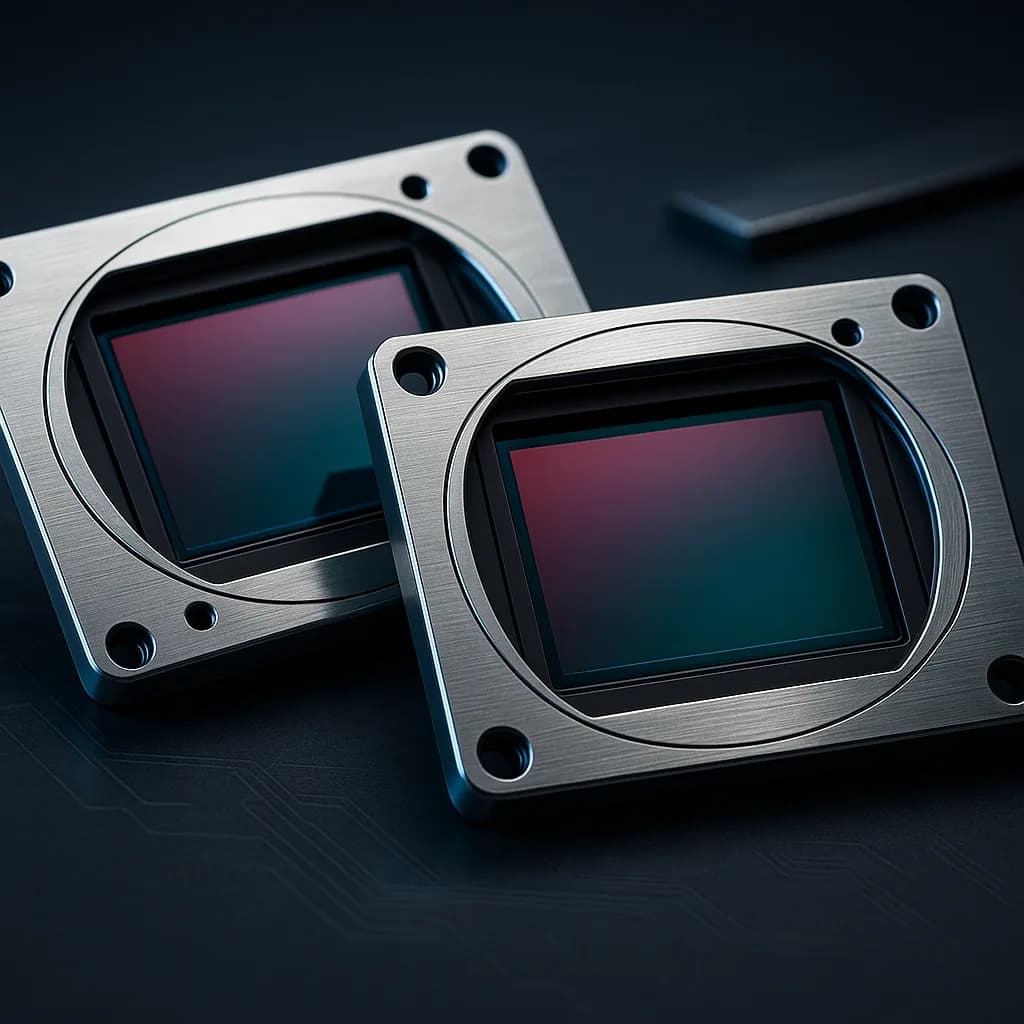
Camera sensor size might sound like tech jargon, but it's actually one of the most important factors affecting your photos. Whether you're shooting portraits, landscapes, or street photography, the sensor in your camera determines everything from image quality to how much of the scene you can capture.
Think of your camera sensor like the film in old cameras,it's the part that actually captures light and creates your image. But unlike film, digital sensors come in different sizes, and each size has distinct advantages and trade-offs that can make or break certain types of photography.
What Exactly Is Sensor Size?
Your camera's sensor is a rectangle of light-sensitive pixels that converts photons into digital information. The physical dimensions of this rectangle determine the sensor size, typically measured in millimeters. Larger sensors contain bigger individual pixels or more pixels overall, which generally means better image quality.
Here's where it gets interesting: sensor size affects much more than just image quality. It influences your field of view, depth of field, low-light performance, and even the physical size of your camera and lenses.
The three most common sensor sizes you'll encounter are full frame, APS-C, and Micro Four Thirds. Each serves different needs and budgets, so let's break them down.
Full Frame: The Gold Standard
Full frame sensors measure 36mm x 24mm,the same size as traditional 35mm film. This is why they're called "full frame." When photographers talk about focal lengths (like a 50mm lens), they're referring to how these lenses behave on full frame sensors.
The main advantages of full frame are impressive. You get excellent low-light performance because the larger pixels can gather more light. The shallow depth of field creates beautiful background blur that's perfect for portraits. Plus, you see exactly what the lens was designed to show,no crop factor to calculate.
But full frame cameras are significantly larger, heavier, and more expensive. The lenses cost more too, because they need to cover a larger sensor area. If you're hiking with your camera all day, that extra weight becomes noticeable quickly.
Full frame shines for professional work, low-light photography, and situations where you need the absolute best image quality. Wedding photographers, for instance, often choose full frame for its superior performance in dimly lit venues.
APS-C: The Sweet Spot for Many
APS-C sensors are roughly 23mm x 15mm, though the exact dimensions vary between manufacturers. Canon's APS-C is slightly smaller than Sony's or Nikon's, but they're all significantly smaller than full frame.
This smaller size creates a "crop factor",typically 1.5x for most brands, 1.6x for Canon. What this means in practice is that a 50mm lens acts like a 75mm lens on APS-C. You're essentially getting a tighter crop of what a full frame sensor would capture.
Many photographers actually prefer this crop factor for certain types of shooting. Wildlife and sports photographers love the extra reach it provides,their telephoto lenses become even more telephoto. A 200mm lens becomes effectively 300mm, giving you closer shots without buying more expensive glass.
APS-C cameras strike an excellent balance between image quality and portability. The cameras and lenses are smaller and lighter than full frame equivalents, making them ideal for travel photography or situations where discretion matters. Street photographers often prefer APS-C systems because they're less intimidating to subjects.
The trade-offs? You'll notice more noise in low-light situations, and achieving extremely shallow depth of field requires more effort. But for most photography situations, modern APS-C sensors deliver excellent results.
Micro Four Thirds: Maximum Portability
Micro Four Thirds (often abbreviated as M4/3) sensors are the smallest of the three, measuring 17.3mm x 13mm. The crop factor is 2x, so that 50mm lens behaves like a 100mm lens.
The genius of Micro Four Thirds lies in the system's design philosophy: create the smallest possible camera and lens combinations while maintaining good image quality. Companies like Olympus and Panasonic have built entire ecosystems around this concept.
If portability is your priority, nothing beats Micro Four Thirds. You can pack a complete kit with multiple lenses in a small bag that would barely hold one full frame lens. This makes M4/3 popular with travel photographers and anyone who needs to minimize weight.
The 2x crop factor provides incredible reach for telephoto work. A 200mm lens becomes effectively 400mm,perfect for wildlife photography without the bulk of massive lenses.
However, the smaller sensor does have limitations. Low-light performance lags behind larger sensors, and achieving very shallow depth of field is challenging. But modern M4/3 cameras have impressive image stabilization systems that help compensate for some of these limitations.
Common Mistakes When Choosing Sensor Sizes
The biggest mistake people make is assuming bigger is always better. Full frame isn't automatically the right choice just because it's more expensive or "professional."
Consider your actual shooting style. If you primarily shoot landscapes in good light and share photos online, you might not notice the difference between sensor sizes. If you're shooting your kids' indoor sports events, the low-light advantage of full frame becomes crucial.
Another mistake is ignoring the lens ecosystem. A camera body is just part of the equation,lenses matter enormously. APS-C and Micro Four Thirds often have excellent, affordable lens options that might better suit your needs than expensive full frame glass.
Don't forget about the total system weight. That full frame camera might feel fine in the store, but after carrying it plus a few lenses for hours, you'll appreciate the wisdom of smaller systems.
Making the Right Choice for Your Photography
Your choice should align with your photography goals and practical constraints. Full frame makes sense if image quality is paramount, you shoot professionally, or you frequently work in low light. The investment is significant, but the results speak for themselves.
APS-C hits the sweet spot for enthusiasts who want excellent image quality without the full frame premium. It's perfect for most types of photography and offers the best balance of features, size, and cost. Many professional photographers use APS-C as their backup or travel system.
Choose Micro Four Thirds if portability trumps everything else, or if you're particularly interested in telephoto photography. The lens selection is excellent, and the image quality is more than adequate for most uses.
Remember that technique matters more than gear. A skilled photographer with an APS-C camera will consistently produce better images than a beginner with the most expensive full frame setup. Focus on learning composition, lighting, and post-processing,these skills transfer between any sensor size.
For more guidance on choosing the right camera system, check out our beginner's guide to mirrorless cameras, which covers additional factors beyond sensor size.
The Bottom Line
Sensor size is important, but it's just one factor in creating great photographs. Each size offers distinct advantages: full frame for ultimate image quality, APS-C for balanced performance, and Micro Four Thirds for maximum portability.
The best sensor size is the one that matches your photography style, budget, and physical requirements. Don't get caught up in technical specifications,think about how you actually use your camera and what matters most in your photography.
Frequently Asked Questions
Can I use full frame lenses on APS-C cameras?
Yes, in most cases you can mount full frame lenses on APS-C cameras from the same manufacturer. The lens will work fine, but you'll get the crop factor effect, and the lens may be larger and heavier than necessary. However, you can't typically use APS-C lenses on full frame bodies without vignetting or image quality issues.
Does sensor size affect video quality?
Absolutely. Larger sensors generally provide better low-light video performance and shallower depth of field, which many videographers desire for a cinematic look. However, smaller sensors offer advantages like better stabilization and lighter camera rigs, which can be crucial for handheld video work.
Will a smaller sensor make my photos look worse when printed?
Not necessarily. Modern APS-C and Micro Four Thirds sensors produce excellent image quality that's more than adequate for most printing needs. You might notice differences in very large prints or when pixel-peeping, but for typical print sizes, the differences are often minimal, especially with good shooting technique.
Is it worth upgrading from APS-C to full frame?
It depends on your specific needs. If you're consistently running into limitations with low-light performance, need shallower depth of field, or are shooting professionally where image quality is paramount, the upgrade might be worth it. However, if you're happy with your current results, the money might be better spent on better lenses or photography accessories that will improve your shooting experience.