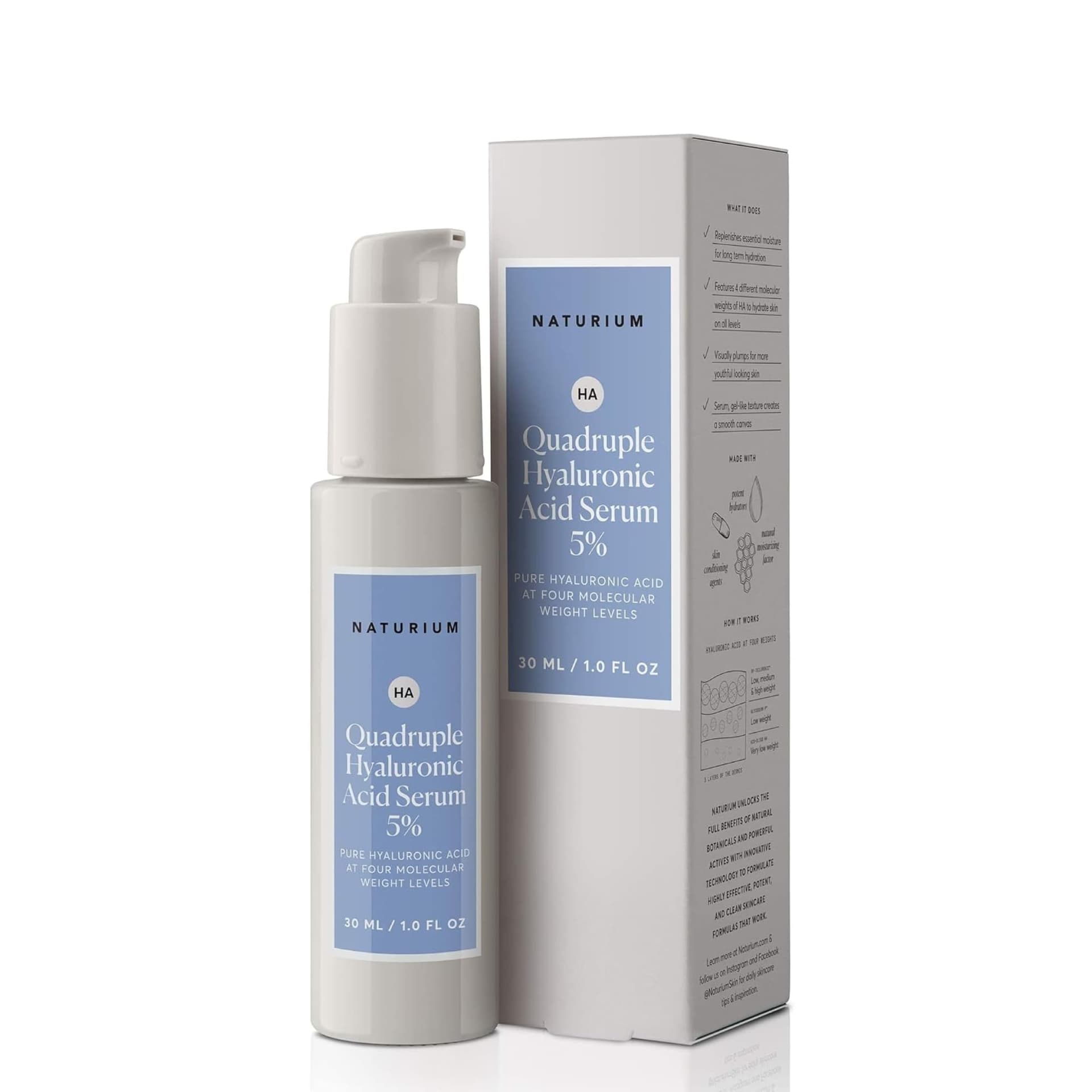
CeraVe holds 2 of the top 30 slots in our own recorded beauty bestseller list, up from 1 the day before, across a four-day window that is far too short to call a trend. Neither of those slots is this serum. That gap between a brand's pull and a single product's traction is the whole story here.
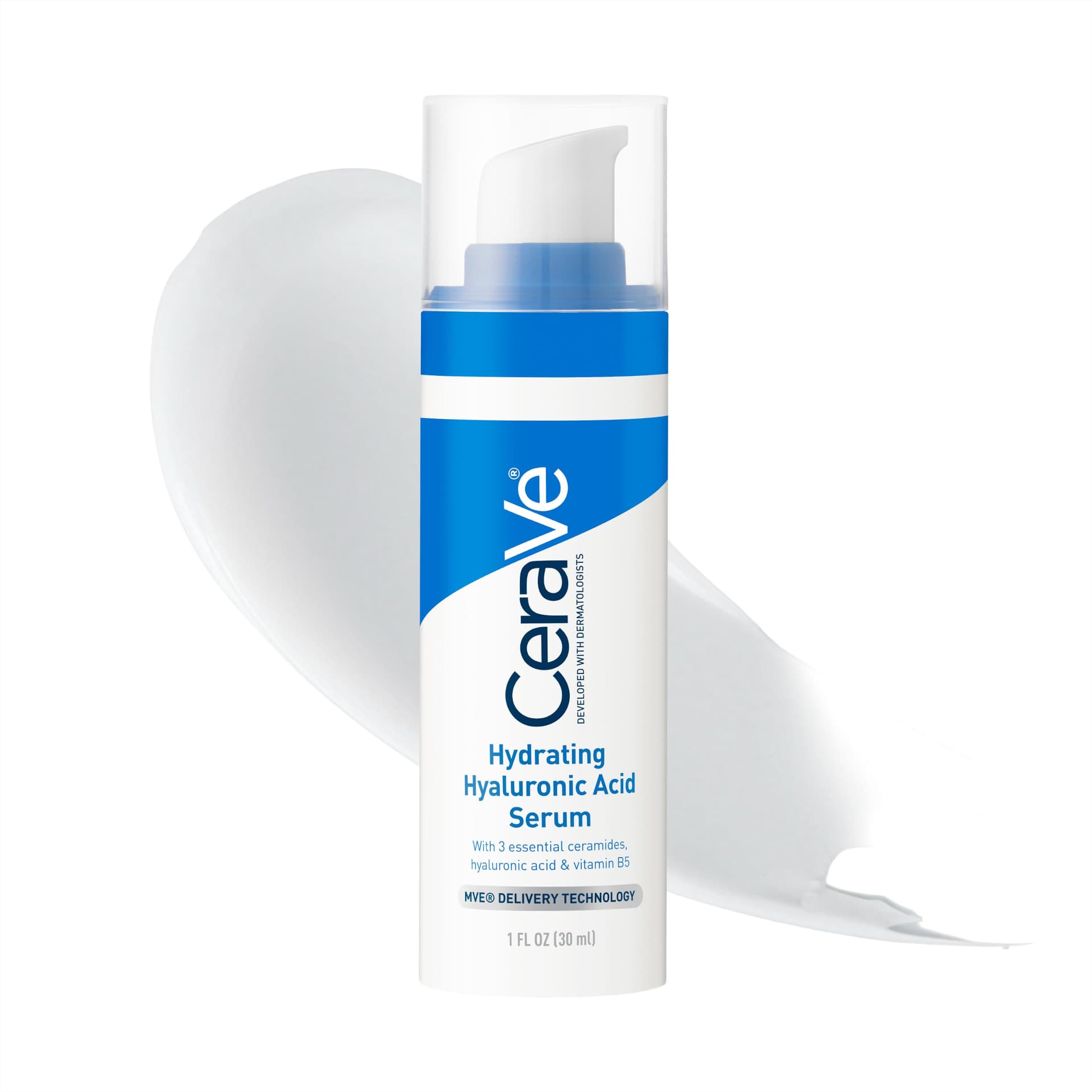
The CeraVe Hyaluronic Acid Serum carries a 4.6 out of 5 rating. From one review. One. In a category where the L'Oreal Revitalift hyaluronic acid serum has collected 49,853 ratings at 4.5, a single-review score is not evidence of quality, it is a placeholder where evidence should be.
Our position up front: this is a reasonable serum from a brand with an unusually good reputation for skin-barrier formulations, and it is also the weakest-documented product in this entire comparison set. If you want the best hyaluronic acid for skin judged on published information rather than brand loyalty, the L'Oreal or the Naturium give you more to work with. Buy the CeraVe because you already trust CeraVe, not because the listing proved anything.
What it is
A 1 oz face serum whose listing describes it as a hydrating serum for dry skin, with hyaluronic acid as the named active. Serum, not moisturizer: thin, applied before cream, one product in a sequence rather than the whole routine.
Hyaluronic acid is a humectant, the ingredient class that shows up in almost every product sold under the hydration label. It is cheap, well understood, and almost impossible for a large brand to get badly wrong. That is worth saying plainly, because it sets the ceiling on how much any of these four can differentiate themselves. Nobody is inventing anything here.
CeraVe's usual pitch is the ceramide-and-barrier story, and the brand has built real credibility on it. The feature data for this specific listing does not mention ceramides at all. It says: hydrating serum for dry skin. That is the entire feature set.
How we picked it
We have not used this serum, and we have not used any of the alternatives. Nobody here squeezed a dropper, timed absorption or watched a face over six weeks, and any article that tells you otherwise about a product it does not own is lying to you. What we did was read the listings against each other: stated concentration, stated fragrance status, container size, rating, review volume, and how our own daily record of the beauty top 30 treats these brands.
On that basis the four products separate cleanly, and not in CeraVe's favour.
One review is not a rating

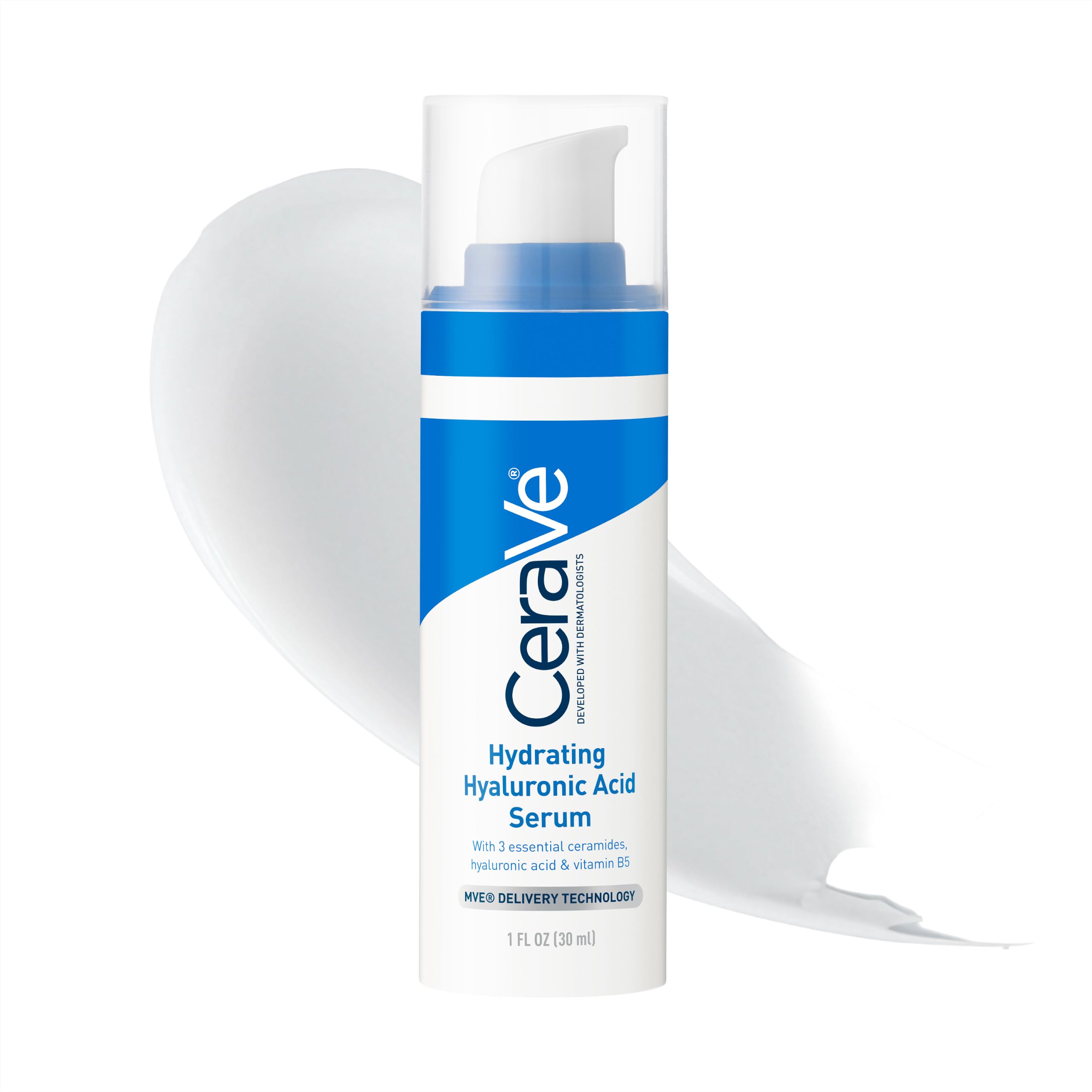
A 4.6 from one rating and a 4.6 from 51 ratings look identical in a search results grid and mean completely different things. Naturium's Quadruple Hyaluronic Acid Serum sits at 4.6 from 51 reviews. Same number, roughly fifty times the support behind it.
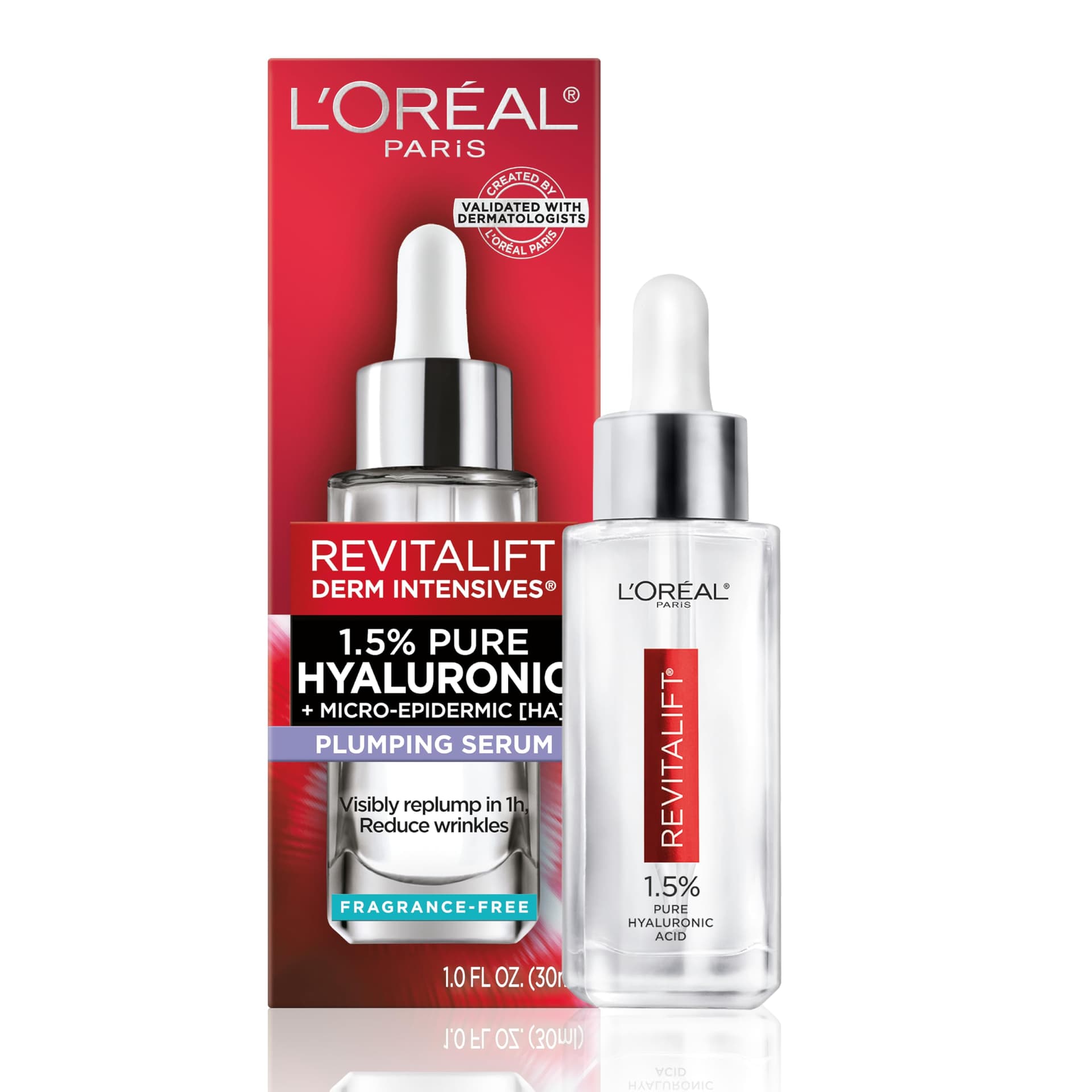
And both of those are dwarfed by L'Oreal's 49,853 reviews at 4.5. Here is the counterintuitive part that shoppers get wrong constantly: the 4.5 is the more trustworthy score. At that volume the average has stopped moving, the sample includes every skin type and every climate, and the one-star tail is large enough to tell you what the actual failure modes are. A 4.6 from a single reviewer tells you one person liked it.
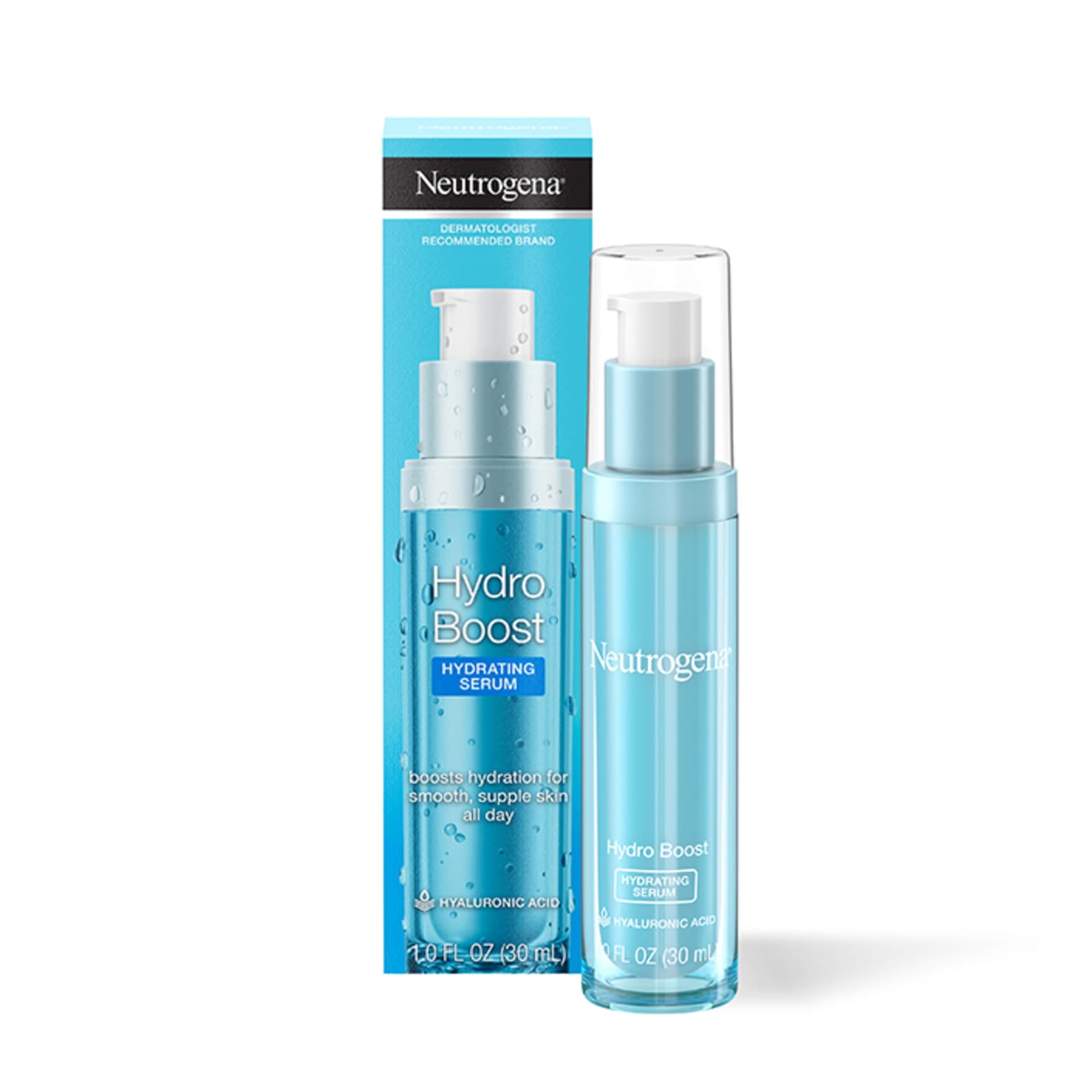
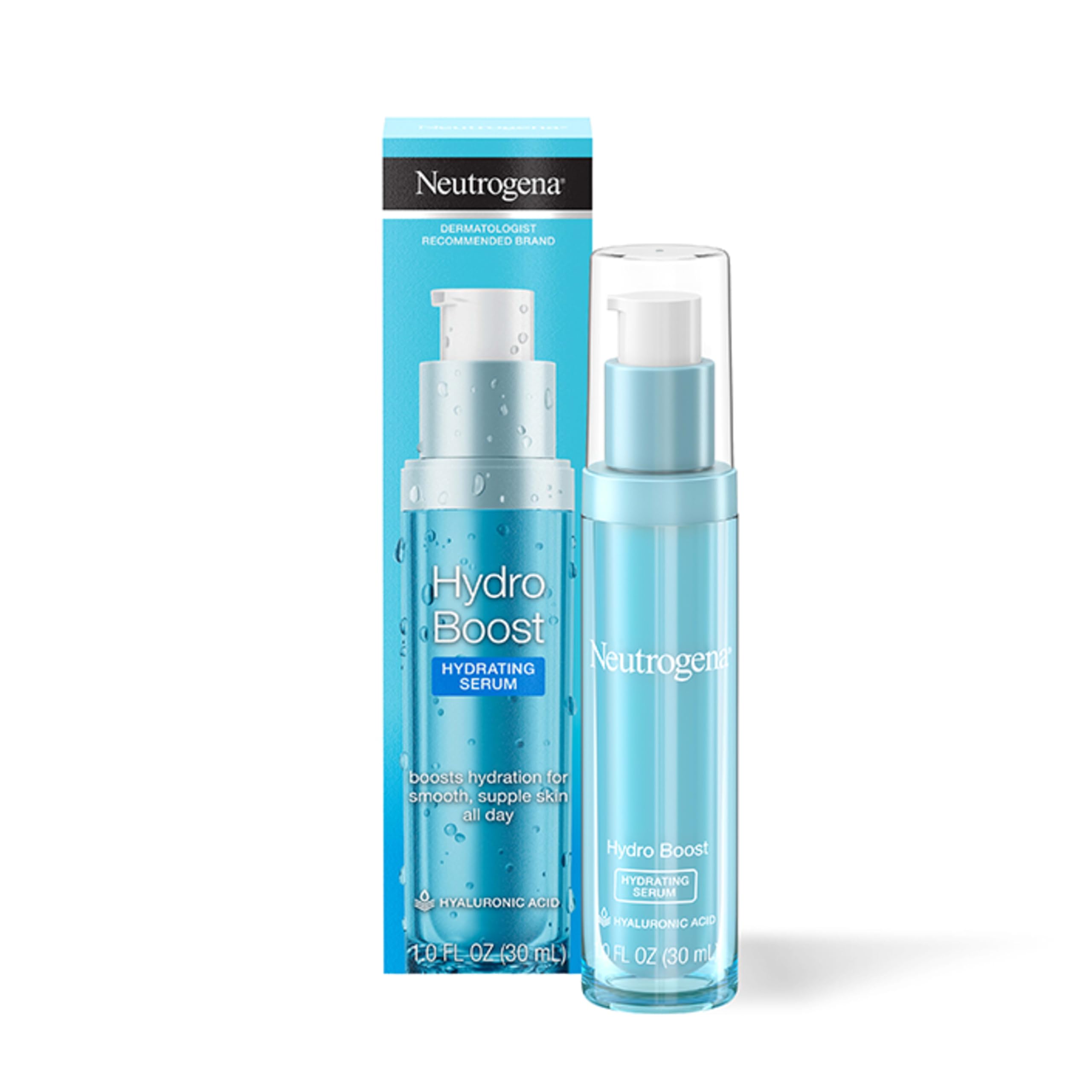
The Neutrogena Hydro Boost serum has exactly the same problem: 4.6 from 1 review. Two of the four products in this set are effectively unrated.
Where the data runs out, we say so. We cannot tell you how CeraVe's hyaluronic acid serum wears across skin types, because the review base does not exist to tell anyone that. Not us, not the site ranking it first, nobody.
What the listing commits to, and what it quietly doesn't
This is where the comparison gets genuinely useful. Look at what each brand puts in writing.
L'Oreal states 1.5% pure hyaluronic acid and states fragrance free. Naturium states 5% and describes a four-molecular-weight blend, and also states fragrance free. CeraVe states neither a percentage nor a fragrance position in its feature data. Neutrogena states nothing beyond 1 fl. oz.
A stated concentration is a commitment. It gives you something to compare, something to complain about, and something the brand has to keep consistent across batches. No stated concentration means you are buying the brand name and the ingredient list rather than a specified formula, which is a legitimate choice but a different one.
On fragrance: for anyone who deliberately shops fragrance-free, an unstated fragrance position is a reason to check the full label on the product page before committing. Two of these four settle that question in the listing itself. CeraVe's does not.
Is 5% better than 1.5%? Not necessarily

Naturium's 5% number is the largest figure in this set, and the instinct to read it as "three times more effective than L'Oreal" is exactly the instinct the number is printed to trigger. Humectant percentage does not scale like that. Above a fairly low threshold you are mostly changing the texture and the slip of the product, and higher humectant loads are the ones users most often describe as tacky or grabby under sunscreen.
The more interesting claim on the Naturium listing is the multiple molecular weights, which is a formulation approach rather than a dose contest. Whether that matters more than 1.5% of a single weight is not something a listing can settle and not something we can settle without lab work nobody here did.
The practical read: treat the percentage as texture information, not potency information. CeraVe declining to print one is less of a sin than it first looks.
Size is standard, so the real variable is price
All four are 1 oz. That uniformity is unusual and it is helpful, because it strips out the one spec that normally distorts value comparisons in skincare. Same container, same product type, same active ingredient class.
Which means the only remaining lever is what you pay, and that changes hour to hour. Check the current price on each of the four before deciding, because on identical volume and near-identical ratings, cost is doing almost all the work in this decision.
Where it falls short
Three things, and none of them is soft.
First, the review base. One rating is not enough to identify a recurring complaint, which is the single most useful thing a large review count gives you. With 49,853 reviews behind the L'Oreal, a buyer can scan the critical reviews and learn what the common failure is. With one review on the CeraVe, there is nothing to scan.
Second, the listing tells you less than every competitor here except Neutrogena. No concentration, no fragrance statement, no molecular-weight detail. For a brand whose reputation rests on formulation transparency, that is a miss.
Third, it is not a volume seller in our record. Our daily tracking of the beauty top 30 for the four days from 6 to 15 September 2026 shows CeraVe as a brand holding 2 of 30 slots, but this serum is not one of them. Four days is a snapshot, not a trend, and we are not going to pretend otherwise. Still, if you expected the category's most-bought hyaluronic acid to be this one, our data does not support it.
Who should skip it
Anyone who shops on evidence volume. If you are the kind of buyer who reads the three-star reviews before adding to cart, this listing has nothing for you and the L'Oreal has almost fifty thousand data points.
Anyone with a strict fragrance-free requirement who wants that confirmed in the product description rather than hunted down in the ingredients list.
And anyone hoping for CeraVe's ceramide formulation specifically. The feature data here does not claim it. If ceramides are why you came to CeraVe, verify the full ingredient list on the product page first, or read our take on moisturizers for dry skin over 50, where barrier formulas get a closer look.
The evidence pick: L'Oreal
49,853 ratings at 4.5, a stated 1.5% concentration, a stated fragrance-free position, and 1 oz like everything else in this set. It is the only product here where you can research the downside before you buy. Pick it if you want the safest decision on published information rather than the best brand story. We also covered L'Oreal's Triple Power in our anti-aging serum guide for 30s.
The formulation nerd's pick: Naturium
4.6 from 51 reviews, a stated 5% with four molecular weights, fragrance-free on the listing. Fifty-one reviews is thin next to L'Oreal but it is fifty times what CeraVe offers, and it is enough to establish that the score is not a fluke. Pick it if you want the most detailed listed formula and you understand that higher percentage mostly means different texture.
The familiar name: Neutrogena
Hydro Boost is one of the most recognised hydration lines in drugstore skincare, and this listing does it no favours at all: 4.6 from 1 review, and a feature list that says "1 fl. oz" and stops. Our bestseller record has Neutrogena at 1 of 30 slots, down from 2 the previous day in a four-day window. Pick it only if you already know the Hydro Boost texture suits you.
Side-by-side comparison
| Product | Best for | Key strength | Rating | Prime |
|---|---|---|---|---|
| CeraVe Hyaluronic Acid Serum | Existing CeraVe loyalists | Brand reputation for barrier formulas | 4.6 (1 review) | Not shown |
| L'Oreal Revitalift 1.5% | Evidence-driven buyers | 49,853 ratings, stated 1.5%, fragrance free | 4.5 (49,853) | Not shown |
| Naturium Quadruple HA 5% | Ingredient-list readers | Stated 5%, four molecular weights | 4.6 (51) | Not shown |
| Neutrogena Hydro Boost Serum | Hydro Boost regulars | Familiar drugstore line | 4.6 (1 review) | Not shown |
What to look for (buying guide)
Review count before rating
Read the number in brackets first. A 4.4 from 20,000 is a more reliable signal than a 4.8 from 30, because the large sample has already absorbed the outliers and the small one has not. Two of the four products here are rated by a single person.
A stated concentration, for comparison not potency
Percentages let you compare products and hold brands to a formula. They do not scale into results. Use 1.5% versus 5% to predict how thin or tacky a serum will feel, not to rank them.
Fragrance status printed on the listing
If fragrance-free matters to you, insist that the listing says so. L'Oreal and Naturium do. CeraVe's feature data does not, which means a trip to the full ingredient list.
Container size, so value is comparable
All four here are 1 oz, which makes this the rare category where cost per ounce and cost per bottle are the same comparison. Check the live price on each rather than assuming the drugstore name is cheaper.
Budget breakdown
At the entry tier, the drugstore names dominate and the sensible move is whichever of L'Oreal or Neutrogena is cheaper on the day, with L'Oreal winning on documentation by a mile.
In the middle, Naturium is the one buying you formulation detail rather than brand recognition, and 51 reviews at 4.6 is enough to make that a defensible choice.
There is no premium tier in this set. Four 1 oz serums built around a cheap, well-understood humectant do not leave room for one, and any of them being noticeably more expensive than the others is a reason to ask why.
Common questions
Is the CeraVe serum worth it with only one review?
If you already use and get on with CeraVe products, the brand history is your evidence and the review count matters less. If you are new to it, you are buying with no published user data at all, and the L'Oreal offers 49,853 ratings for a similar type of product at the same 1 oz size.
Which of these has the most hyaluronic acid?
Naturium states 5%, the highest figure in the set. L'Oreal states 1.5%. CeraVe and Neutrogena do not state a concentration in their listings. Higher is not automatically better; it mostly changes how the product feels.
Does a serum replace a moisturizer?
No. A serum is a thin layer in a sequence, applied before a cream. If you are buying one of these expecting it to be your only product, you are buying the wrong category.
Why does L'Oreal have a lower rating than the others?
Because it has been rated fifty thousand times. Large samples pull averages toward the middle and expose every edge case; small samples flatter products. The 4.5 is the most tested number on this page.
Are any of these the category bestsellers?
Not according to our own record. Across the four days we logged from 6 to 15 September 2026, none of these four products appeared in the beauty top 30, although CeraVe and Neutrogena both hold slots there with other items. Four days is a short window and we would not read a trend into it.
Is fragrance-free important?
It matters to buyers who specifically look for it, and those buyers should be able to confirm it from the listing. Two products here do that. CeraVe's feature data does not address it either way.
What would change our verdict on the CeraVe?
A few thousand reviews and a stated concentration. Both are fixable, and neither is fixed today.
Verdict
Our Rating: 3.6/5
The serum itself is probably fine, and CeraVe has earned enough goodwill that "probably fine" from them means more than it would from an unknown label. But a review is a judgement about evidence, and on evidence this listing is the weakest of the four: one rating, no stated concentration, no fragrance position, and no presence in our recorded top 30. Anyone asking which is the best hyaluronic acid for skin based on what can actually be checked should start with the L'Oreal and its 49,853 ratings, then consider Naturium if the formula detail appeals. Buy the CeraVe if the brand is the reason you are here, and know that is what you are paying for.