We record the top thirty products in Beauty every day, and across the two days logged so far (2026-09-06 to 2026-09-07) not one of the eight redness serums in this comparison appears in it. Two days is a short window and we are not calling it a trend. But it does tell you something about the shape of this niche: rosacea care is a small, specialist corner of a category dominated by lip balm and sheet masks, and the products competing here win on evidence rather than volume.
Which makes the subject of this review a problem. It is listed under the brand name "Serum," it carries 4.0 out of 5 from 23 ratings, it names no active ingredients anywhere in its listing, and it sits seventh of eight on price in this group at roughly 3.7 times what the cheapest option costs. Every one of those facts pushes in the same direction.
Our position, stated up front so you can stop reading if you disagree: there is no argument in this data for buying it. Not because it has been shown to fail, but because nothing here has been shown at all, and three products in this same search publish more information for less money. We have never handled any of these serums. Everything below comes from published specs, ratings and review counts, which is exactly why the gaps in this listing matter so much.
What it is
A one fluid ounce facial serum sold on the promise that it reduces visible redness, calms rosacea, restores glow and softens facial lines. That is four separate claims in a single product title, which is itself a signal worth noticing.
One ounce is the category standard. The Aveeno Calm + Restore serum, the iS Clinical Pro-Heal, the Avène Cicalfate+ and the Cos De BAHA azelaic acid serum are all one ounce or thirty millilitres. So volume is not a differentiator here, and nobody should treat it as one.
What is missing is everything a buyer with rosacea actually needs to read: the active, the concentration, whether it is fragrance-free, whether it is non-comedogenic, whether a dermatologist has ever looked at it. The listing supplies a claim list where its competitors supply a formula.
How we picked it
We did not pick it as a recommendation. It came up as the lead result for the best serum for redness and rosacea, and it deserves a straight assessment rather than a quiet omission. Our basis is the published data: star rating, number of ratings, listed features, stated volume, fulfilment status and where the price sits relative to the other seven.
Nobody at PikVex has used this serum, taken a measurement from it, or watched it work on a face. That limits what we can say and it also frees us to say the useful thing, which is what the numbers support and where they run out.
Twenty-three ratings is not a verdict

This is the whole case. At 23 ratings, three or four one-star reviews move the average by two or three tenths of a star. The 4.0 you see could sit anywhere from the mid-threes to the mid-fours once enough people have weighed in, and there is no way to know which.
Compare that to what else is on the shelf. The Cetaphil Redness Relieving Tinted Moisturizer holds 4.2 from 10,595 ratings. The Cos De BAHA azelaic acid serum holds 4.3 from 7,900. Those averages are effectively fixed. A hundred new reviews would not budge them, which means they are describing the product rather than describing a handful of early buyers.
A 4.7 from 75,000 ratings and a 4.8 from 200 are not the same claim, and this is the same problem at a smaller scale. Here, the 4.0 from 23 is also the lowest rating of any product in the set. The iS Clinical Pro-Heal and the Cetaphil tinted moisturizer both manage 4.2, and both of those are carrying thousands of opinions apiece. Being the lowest-rated option in a group is survivable. Being the lowest-rated option on the thinnest evidence, at a price that beats six of the seven alternatives, is not.
Worth flagging for balance: the Aveeno listing in this data shows 4.5 from a single rating, which is not a rating at all. Neither number is usable. At least Aveeno's formula is documented.
No named active, and that changes the outcome
Redness has causes, and different actives address different ones. This is where the spec gap stops being a presentation problem and becomes a buying problem.
Azelaic acid at 10 percent, which is what both The INKEY List SuperSolutions serum and the Cos De BAHA serum publish, is the ingredient with the strongest dermatological pedigree for papulopustular rosacea. It is anti-inflammatory, it addresses the bumps as well as the flush, and the percentage is stated so you know what you are getting. Pro-vitamin B5, which Avène leads with, works on the barrier rather than the inflammation. Colloidal oat, Aveeno's approach, is a soothing agent with a long history in sensitive-skin dermatology. Gallic acid and vitamin E, in the Cetaphil night serum, are antioxidant plays.
Four different mechanisms, four different buyers. This serum names none of them, so it cannot be matched to a face. You are buying a claim about an outcome instead of an ingredient with a known mechanism, and for a chronic inflammatory condition that is the wrong way round.
The claim itself is doing heavy lifting
"Soothes and calms rosacea" is a strong thing for a cosmetic to say. Rosacea is a medical diagnosis with a prescription treatment pathway. Cosmetics in this space typically hedge carefully: Cetaphil says "rosacea-prone skin," The INKEY List says "soothe visible redness," Avène says "soothes tightness." Those are appearance claims, written by people who know where the line sits.
This listing crosses it, and then adds glow restoration and line reduction on top. A single unnamed formula treating a skin condition, brightening, and working on fine lines is not a formulation, it is a wish list. The rosacea language is doing more work in the marketing than any evidence on this page can support.
Fulfilment, and why it matters more here
None of the eight products in this comparison show Prime eligibility, so that is not a mark against this one specifically. But the consequence is not evenly distributed.
If a Cetaphil or Aveeno order arrives in poor condition, you are dealing with a brand that has a reputation to protect and a support process built for it. With a listing branded "Serum," 23 ratings deep and no manufacturer identity, there is no such backstop. Skincare has batch dates and oxidation timelines. That risk is worth carrying for a documented formula. It is not worth carrying for an undocumented one.
Where it falls short
The rating is the lowest in the set and rests on the smallest usable sample. The feature list is empty where six competitors publish actives, sensitivity claims or dermatologist backing. The price sits above six of eight options with nothing published to justify the position.
There is no fragrance-free statement, which for reactive skin is close to disqualifying. Fragrance is among the most common triggers of flushing and stinging in rosacea, and Aveeno, Avène and the Cetaphil products all say plainly that they leave it out. Silence is not the same as absence, but a buyer with rosacea has no business guessing.
And here is where our own data runs out: we have no ingredient list, no pH, no concentration, no rating distribution and no review dates. We cannot tell you it performs badly. We can tell you that after reading everything published about it, we still do not know what it contains.
Who should skip it
Anyone with diagnosed rosacea who needs to match an active to a subtype. Anyone whose skin stings on unknown formulas. Anyone who wants to buy the same product again in six months and have it be the same product. Anyone shopping on value, since the cheapest serum here has 7,900 ratings and a named 10 percent active.
That covers essentially everyone searching for the best serum for redness and rosacea. The narrow exception is a buyer who has already used this exact serum, liked it, and is repurchasing. Prior experience beats our spec reading every time.
The alternatives
Seven of them, and most are better bets.
Cos De BAHA Azelaic Acid 10%
The cheapest in the group and the best value in it. Ten percent azelaic acid with niacinamide and panthenol, 4.3 from 7,900 ratings, aloe-based and aimed at redness-prone and oily skin. The rating is average-good rather than exceptional, and azelaic acid can cause a tingling phase early on, which is likely where the one-star reviews live. For most people this is the honest answer to the question.
Cetaphil Redness Relieving Tinted Moisturizer SPF 40
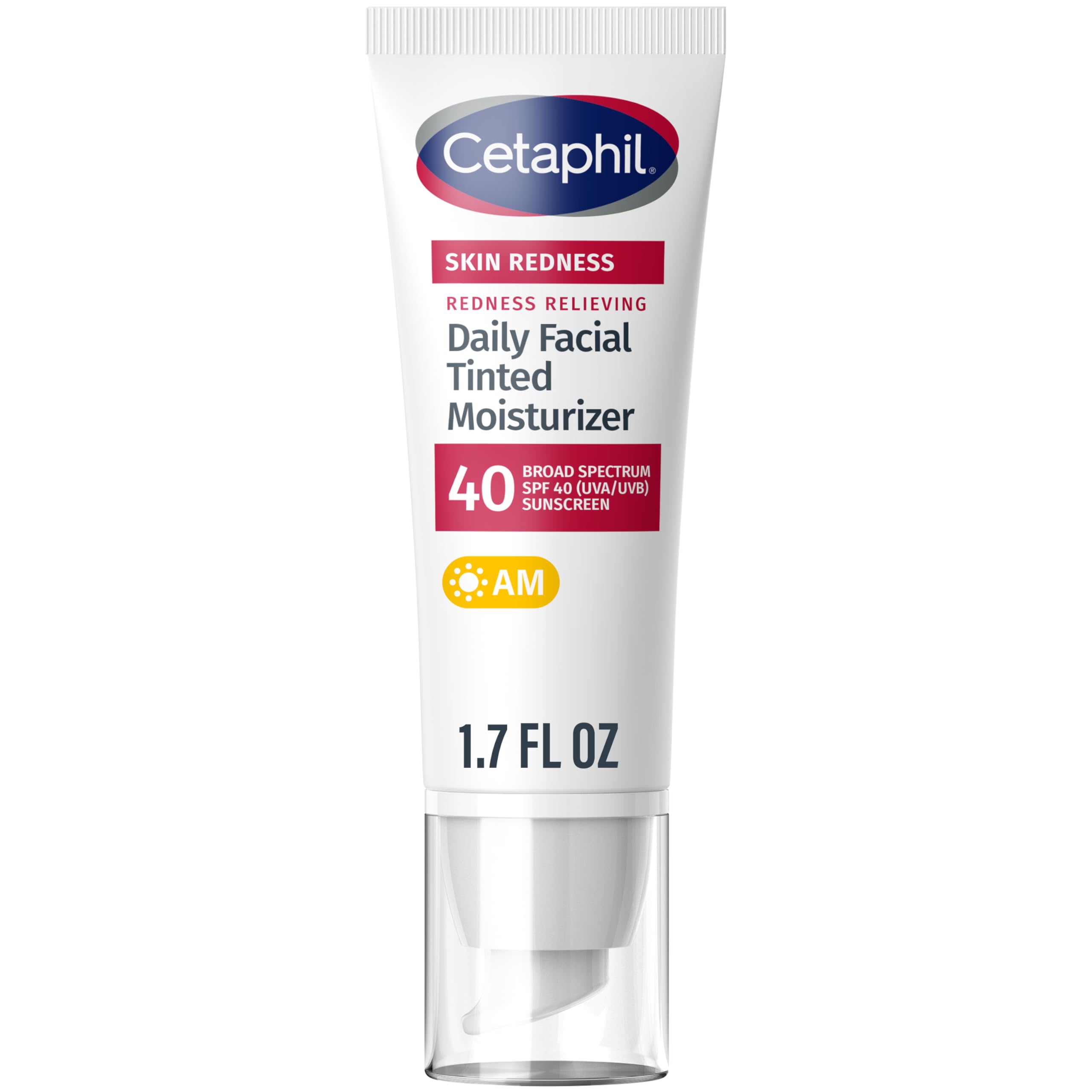
The counterintuitive pick. Sun is the most commonly cited rosacea trigger, and a neutral tint corrects visible redness optically the moment it goes on, which no serum does. It is not a serum, the tint suits a narrow range of skin tones, and 4.2 from 10,595 ratings tells you the shade match frustrates plenty of buyers. It may still change your face more than anything else on this list.
Avène Cicalfate+ Restorative Barrier Serum
The barrier-repair route: pro-vitamin B5, fragrance-free, 4.5 from 549 ratings, which is the strongest rating-to-volume combination in the set. The "restores skin barrier in 1 day" line is marketing, and it costs roughly three times the entry option. For skin that feels tight and raw rather than bumpy, it is the sensible choice.
The INKEY List SuperSolutions Azelaic Acid 10%
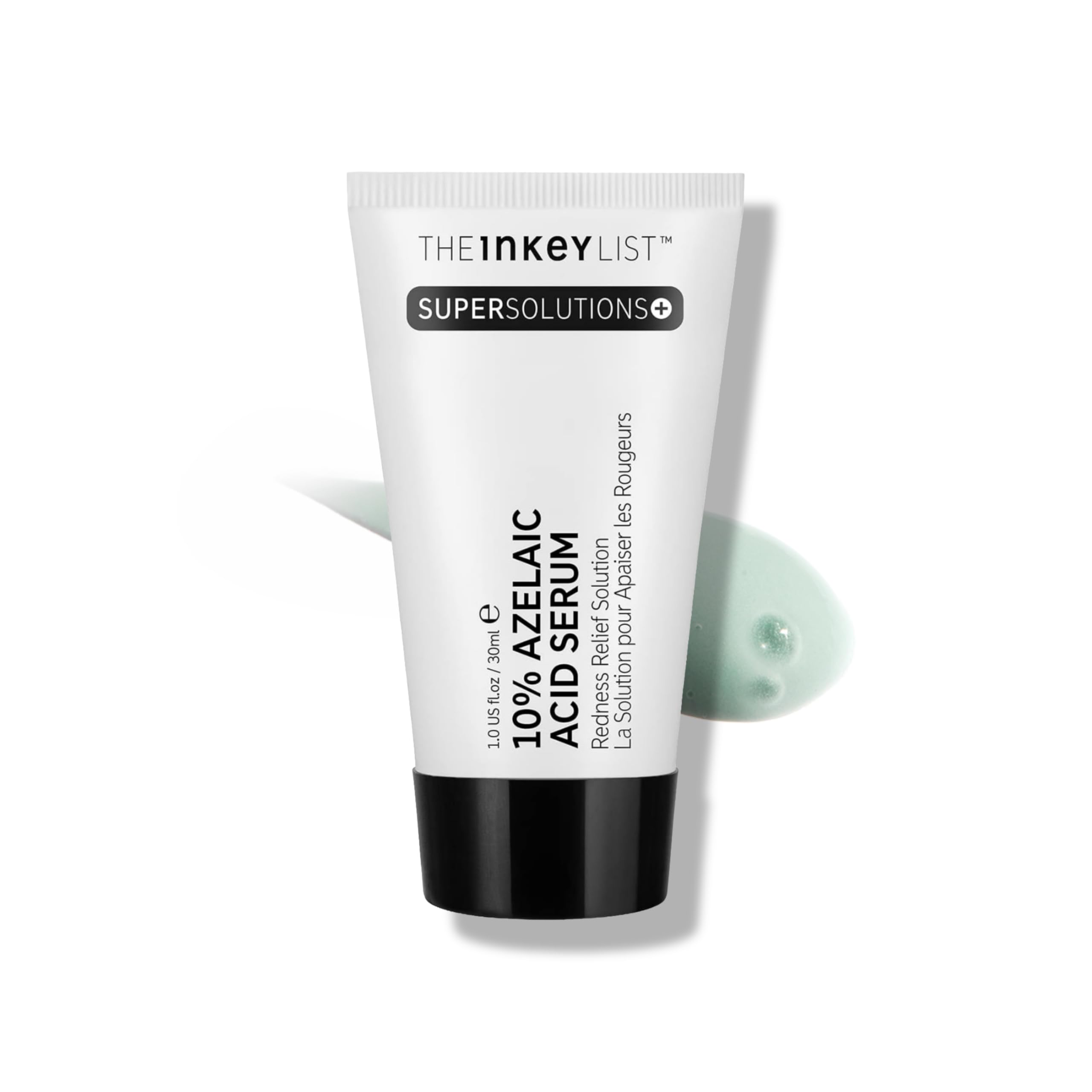
Same headline active as the Cos De BAHA at a slightly higher price, 4.3 from 332 ratings. Two of these serums are functionally the same treatment at different price points, and the cheaper one has 24 times the review history. Pick this if the texture reviews sway you.
Cetaphil Repair & Renew Night Serum
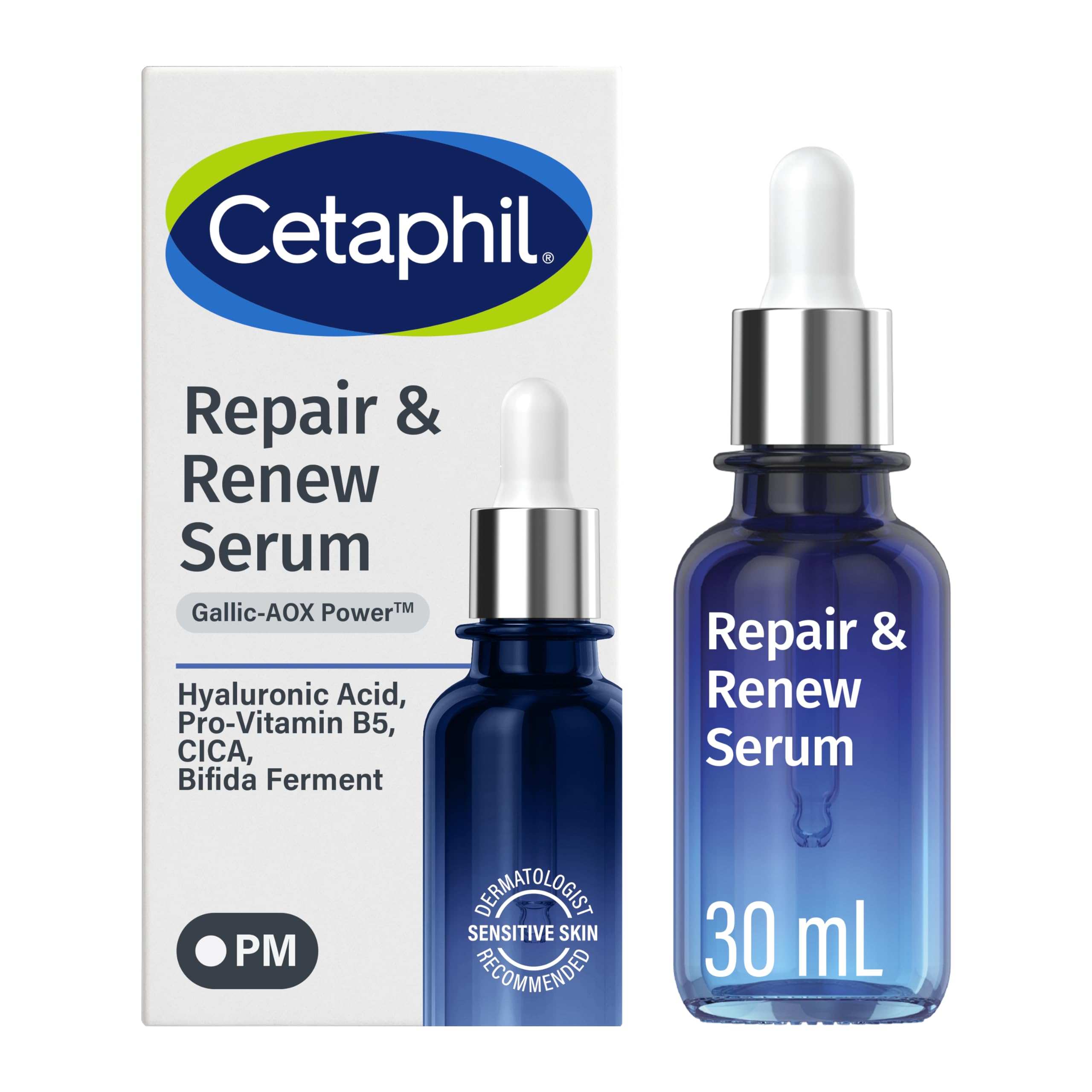
4.5 from 219 ratings, gallic acid and vitamin E, dropper bottle, dermatologist recommended. Newer listing, so the sample is still building. An overnight support layer rather than a redness treatment.
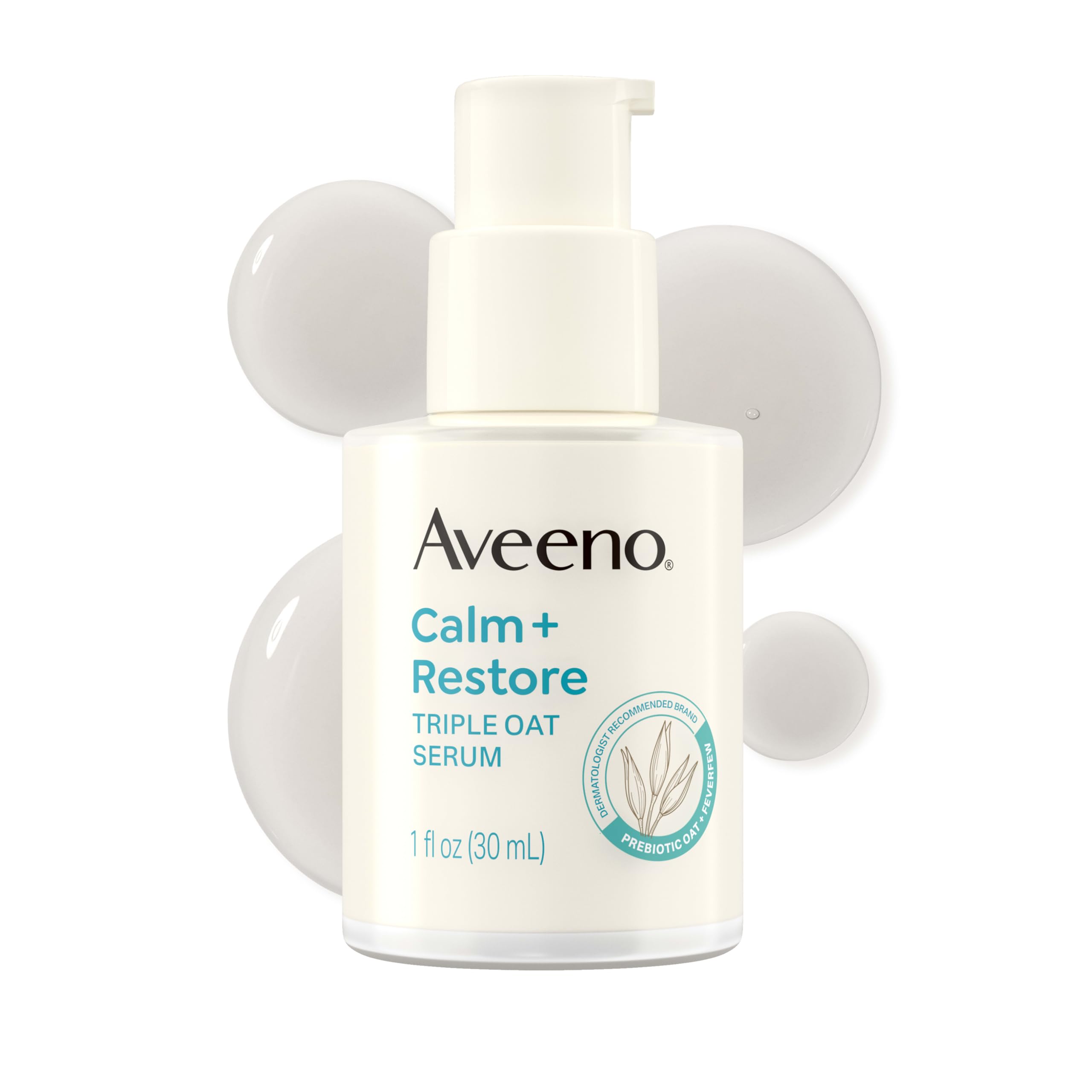
Aveeno Calm + Restore Triple Oat
Colloidal oat, fragrance-free, hypoallergenic, non-comedogenic, second cheapest here. The 4.5 comes from one rating and should be ignored entirely. Buy it for the formula documentation, not the star count.
iS CLINICAL Pro-Heal Serum Advance+
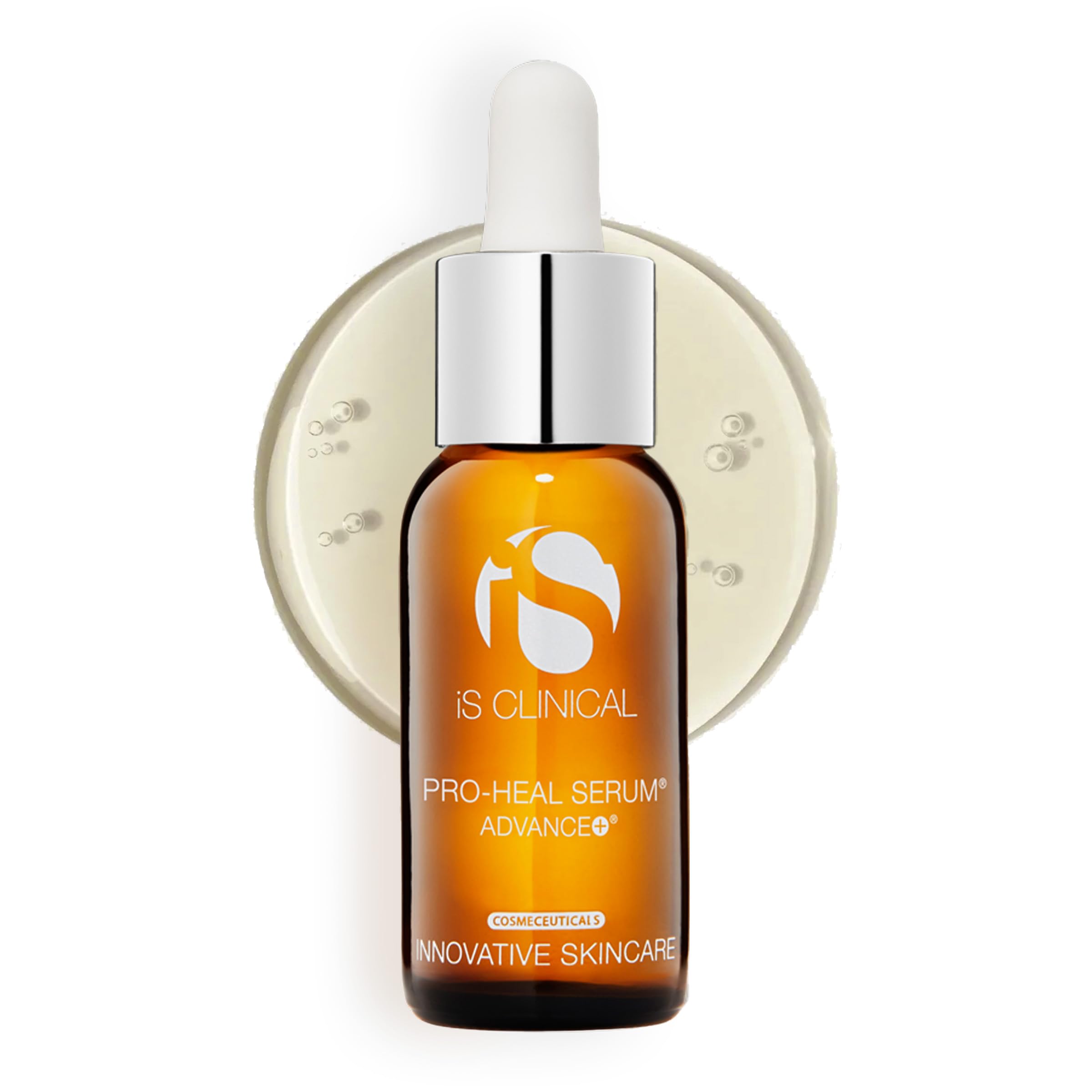
The premium option at roughly 7.2 times the entry model, and it holds the second-lowest rating in the group at 4.2 from 720. High-concentration vitamin C stings reactive skin, which is the most plausible reading of that spread. Professional-grade, but a risky first purchase for rosacea. Our vitamin C serum comparison covers the tolerance question in more depth, and the Vanicream review looks at the gentler end of that shelf.
Verdict
Our Rating: 2.5/5
The score reflects an absence of evidence, not proven failure. Two things would change it: a published ingredient list with a stated active and concentration, and a few hundred more ratings to show whether the 4.0 holds. Until then, a serum with no named formula, the lowest rating in its comparison group and a price above six of seven rivals has no claim on a rosacea routine. The cheapest product in this search publishes more, has been reviewed 340 times as often, and is good enough that most readers can stop there.