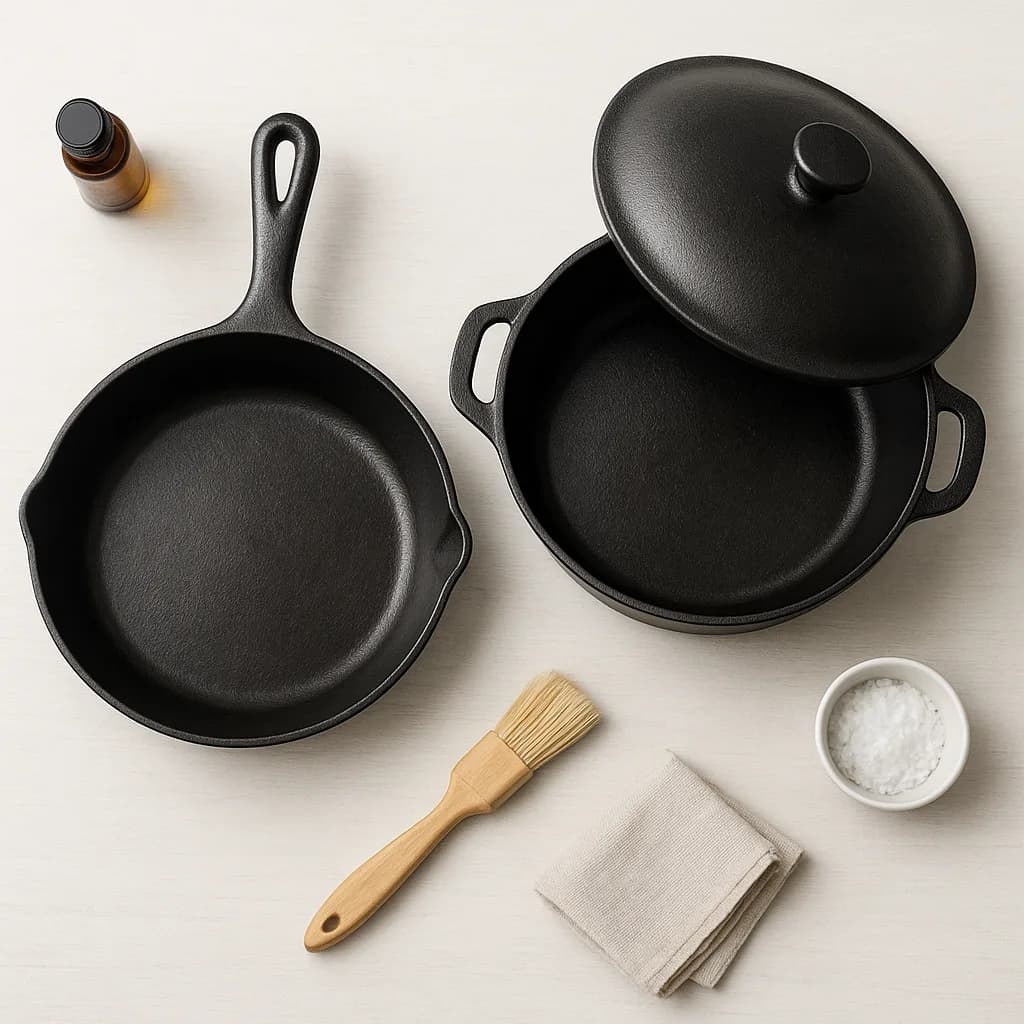
Cast iron cookware has earned its place as a kitchen staple for good reason. When properly seasoned and maintained, these pans develop a naturally non-stick surface that rivals any modern coating, while lasting for generations. Yet many home cooks struggle with sticky surfaces, rust spots, or food that tastes metallic.
The secret lies in understanding what seasoning actually is and how to build it properly. Seasoning isn't just oil rubbed on the surface,it's a polymerized layer of fat that has been heated to the point where it transforms into a hard, protective coating. Think of it as a natural plastic layer that bonds to the iron itself.
Understanding the Science Behind Seasoning
When you heat oil or fat beyond its smoke point in the presence of iron, the molecules break down and reform into long chains that create a durable, slick surface. This process, called polymerization, is what transforms liquid fat into that coveted black patina.
Not all oils work equally well for this process. You need an oil with the right balance of unsaturated fats and a smoke point that allows proper polymerization without burning. Flaxseed oil, despite its popularity in some circles, actually creates a brittle seasoning that flakes off easily. Instead, stick with proven options like vegetable shortening, canola oil, or grapeseed oil.
The Initial Seasoning Process
Whether you're working with a new unseasoned pan or stripping an old one back to bare metal, the initial seasoning process remains the same. Start by washing the pan thoroughly with warm soapy water and a stiff brush. Yes, soap is fine,the myth that soap damages seasoning comes from old lye-based soaps that are no longer common.
Dry the pan completely, then place it on the stove over medium heat for a few minutes to evaporate any remaining moisture. This step is crucial because any water left behind will cause rust spots under your seasoning.
Apply a thin layer of your chosen oil to the entire pan, including the handle and bottom. The key word here is thin,you want just enough oil to create a slight sheen, not pools or sticky spots. Use a paper towel to wipe away excess oil until the surface looks almost dry.
Place the pan upside down in a 450°F oven with aluminum foil on the rack below to catch any drips. Bake for one hour, then turn off the oven and let the pan cool inside. This gradual cooling prevents thermal shock that could warp the pan.
Repeat this process 3-4 times for new cookware. Each layer builds upon the previous one, creating a stronger, more durable surface.
Daily Maintenance That Makes the Difference
Once your pan is properly seasoned, maintenance becomes surprisingly simple. The goal is to preserve and gradually build upon that polymerized layer through regular use and proper cleaning.
After cooking, clean the pan while it's still warm but not scorching hot. Warm water and a stiff brush or chainmail scrubber work perfectly for most situations. For stubborn stuck-on food, add coarse salt as an abrasive,it's gentler than steel wool but effective enough to remove food particles without damaging the seasoning.
Dry the pan thoroughly after washing. Place it on the stove over medium heat for a minute or two to ensure all water has evaporated. While the pan is still warm, apply a very light coating of oil and wipe it away with a paper towel until the surface appears almost dry.
Common Mistakes That Ruin Seasoning
One of the biggest mistakes is using too much oil during seasoning or maintenance. Excess oil doesn't polymerize properly,instead, it creates a sticky, gummy surface that attracts dirt and food particles. If your pan feels tacky to the touch, you've used too much oil.
Another common error is cooking acidic foods like tomatoes or wine sauces in newly seasoned pans. These foods can break down the developing seasoning layer. Wait until you've built up several layers and the pan has a solid black patina before attempting acidic dishes.
Soaking cast iron in water is another seasoning killer. Even well-seasoned pans can develop rust spots if left sitting in water. Always clean and dry your pans promptly after use.
Temperature control matters more than many realize. Heating an empty pan too quickly or too high can damage the seasoning layer and potentially warp the pan. Cast iron heats slowly but retains heat exceptionally well, so medium heat is usually sufficient for most cooking tasks.
What to Cook for Better Seasoning
Certain foods actually help build and maintain your pan's seasoning. Cooking bacon, searing steaks, or making cornbread all contribute oils and fats that enhance the polymerized layer. These foods also tend to cook at temperatures that promote further polymerization.
Avoid cooking eggs, fish, or other delicate proteins until your seasoning is well-established. These foods are more likely to stick and can be damaged by aggressive scrubbing needed to remove them.
If you're looking to expand your cast iron cooking repertoire, consider checking out our guide to kitchen thermometers to help you master temperature control in these heat-retentive pans.
Troubleshooting Common Issues
Rust spots don't mean your pan is ruined. Small spots can often be scrubbed away with fine steel wool, followed by immediate re-seasoning of the affected area. For extensive rust, you may need to strip the pan completely and start the seasoning process over.
If food consistently sticks to your pan, the seasoning likely isn't developed enough yet, or you're cooking at too high a temperature. Lower your heat and cook more fatty foods for a while to build up the coating.
Metallic taste in food usually indicates the seasoning has worn thin in spots, allowing food to contact bare iron. This is especially common with acidic foods or aggressive cleaning. Focus on rebuilding the seasoning with several rounds of the oven method.
Storage and Long-term Care
Proper storage prevents most cast iron problems. Store pans in a dry location with good air circulation. If you live in a humid climate, consider placing a paper towel inside the pan to absorb moisture.
For long-term storage, apply a slightly heavier coating of oil than usual. Some people prefer to store their pans in the oven, which stays dry and protects them from humidity.
Regular use is actually the best maintenance. Pans that sit unused for months are more likely to develop problems than those used weekly. The heat and oil from regular cooking continuously maintain and improve the seasoning layer.
With proper technique, your cast iron cookware will develop into some of the best-performing pans in your kitchen. The initial investment of time pays dividends for decades, creating cookware that only gets better with age and use.
Frequently Asked Questions
Can I use soap on seasoned cast iron?
Yes, modern dish soap is perfectly safe for seasoned cast iron. The myth about soap damage comes from old-fashioned lye soaps that were much harsher. Today's gentle detergents won't harm properly polymerized seasoning. Just avoid soaking the pan or using excessive amounts of soap.
How often should I re-season my cast iron pan?
With proper maintenance, you shouldn't need to completely re-season your pan often. Well-maintained cast iron actually improves with regular use. Only re-season completely if you see rust, if food consistently sticks despite proper technique, or if the seasoning becomes patchy or flakes off.
What's the best oil for seasoning cast iron?
Vegetable shortening, canola oil, and grapeseed oil all work excellently for seasoning. They have the right fat composition and smoke points for proper polymerization. Avoid flaxseed oil, which creates brittle seasoning, and olive oil, which doesn't polymerize as well due to its low smoke point.
Why does my cast iron pan have sticky spots?
Sticky spots usually result from using too much oil during seasoning or maintenance. The excess oil doesn't polymerize properly and remains gummy. To fix this, scrub the sticky areas with salt and a paper towel, then re-season using much less oil,wipe away almost all visible oil before heating.