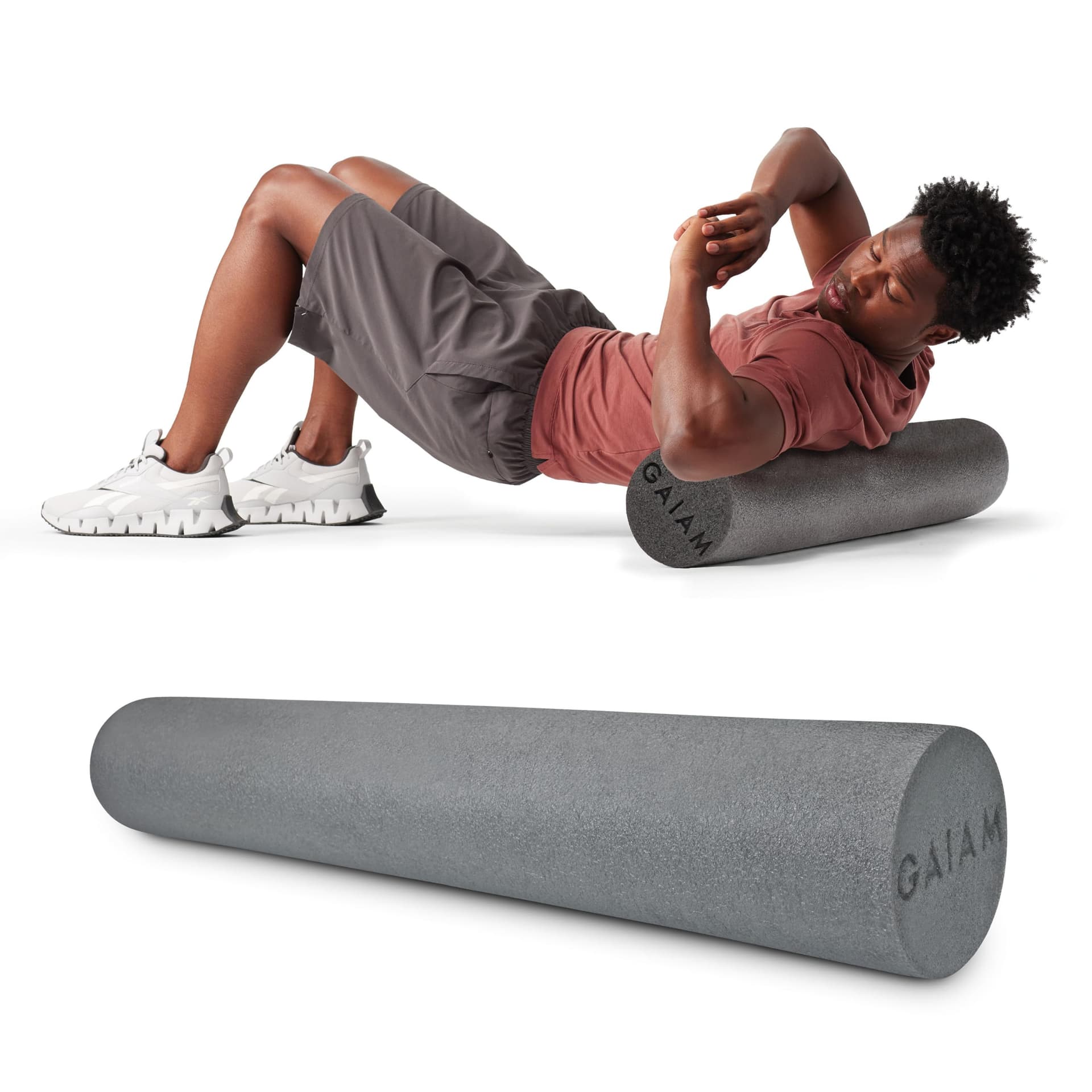
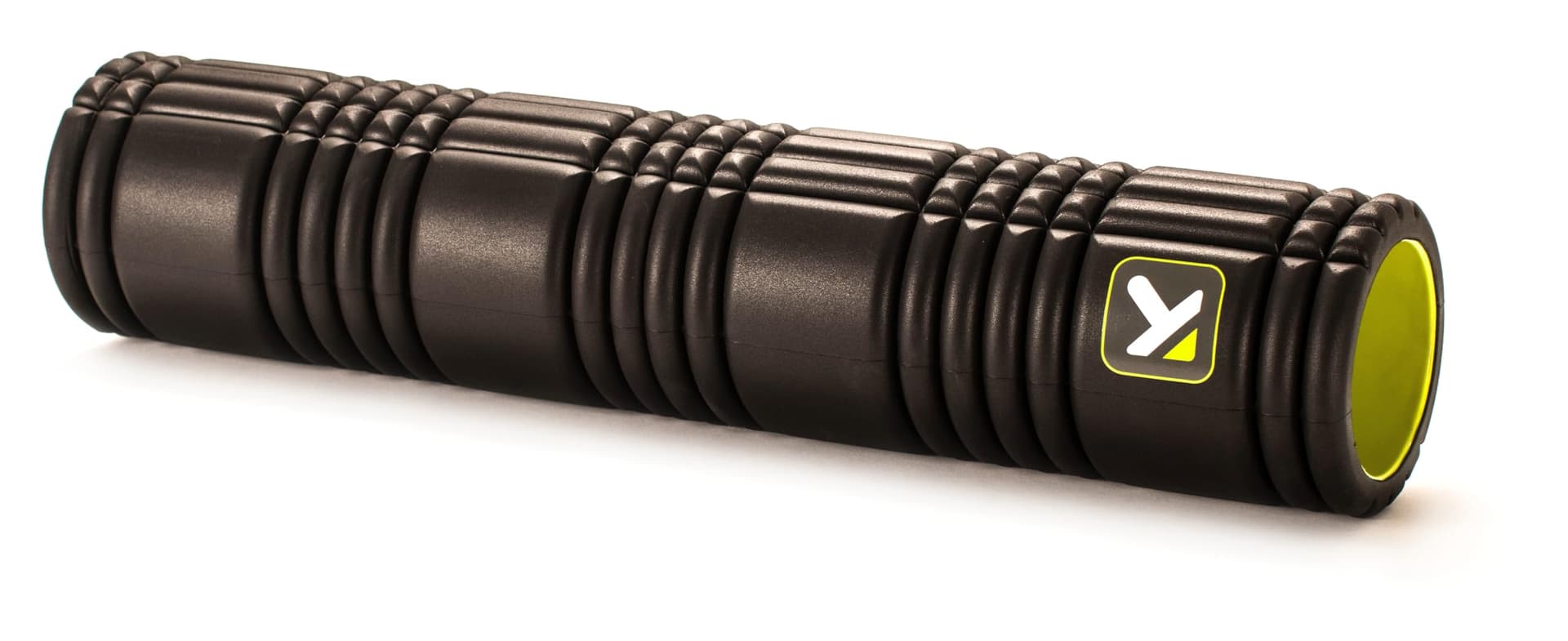
Eight products came up in this search. Four rollers actually exist. The TriggerPoint GRID Original shows up three times as mint, midnight and tan, all three sharing the identical review pool of 23,676 ratings at 4.7, and the CORE shows up twice at two different price standings with the same 8,041 ratings at 4.6 attached to both. Once you collapse the duplicates, the choice in front of a buyer is much smaller than the search results suggest, and the cheapest listing on the page is the subject of this review.
Our position: the TriggerPoint CORE is the correct first roller for most people buying foam rollers for recovery, and it is the wrong roller for anyone who already knows they like pressure. Those two statements are not in tension. The CORE is sold on softer compression, which is a design decision, not a discount on the GRID.
We have never held any of these eight rollers. Everything below comes from the published specs, the star ratings, the review volumes and how the eight listings sit against each other. Where the data stops telling us something useful, we say so rather than filling the gap with adjectives.
What it is
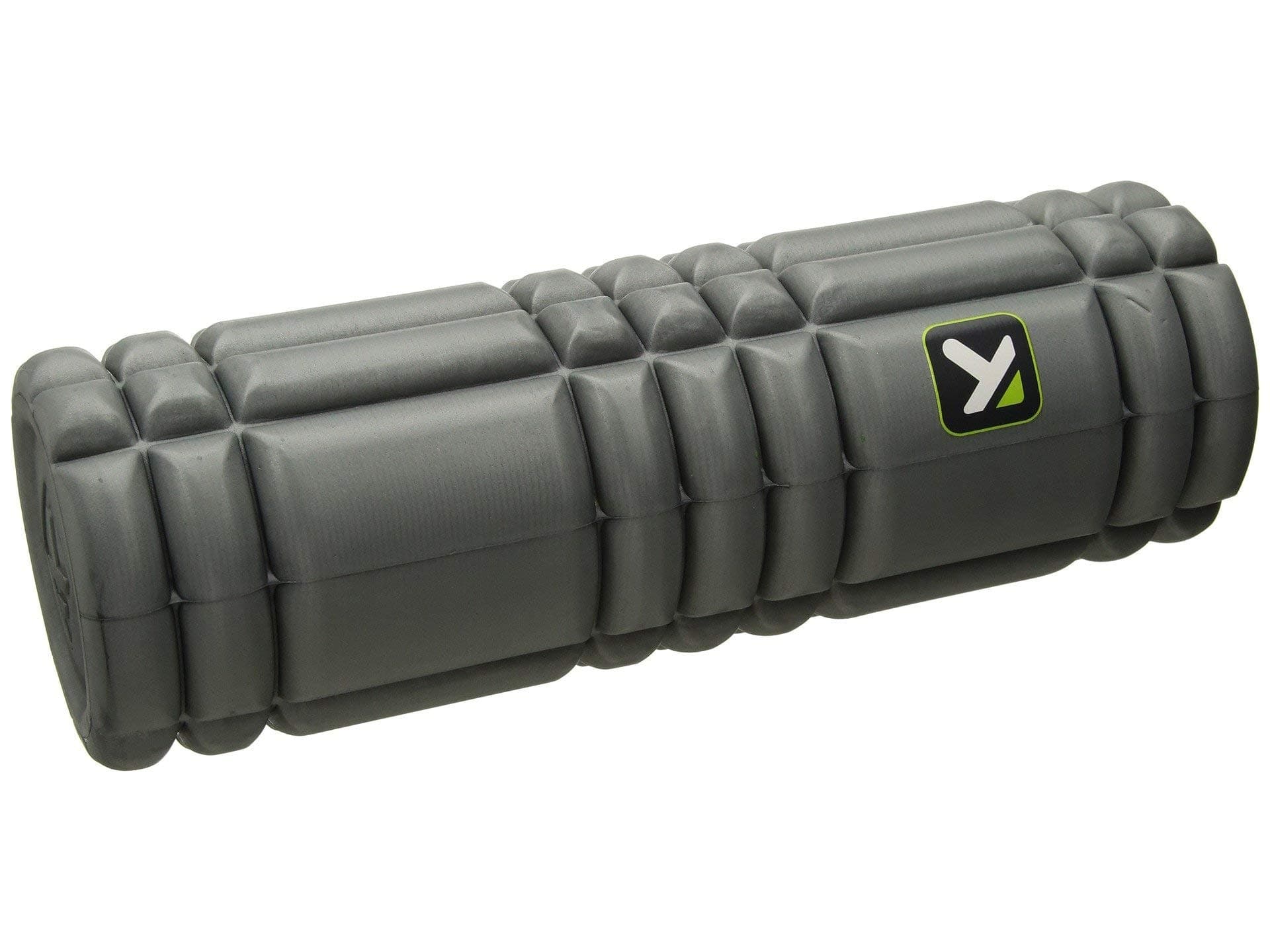
A molded EVA foam cylinder with a smooth, uniform surface, sold in 12-inch, 18-inch and 36-inch lengths under one listing. You lie or lean on it, put your bodyweight through a muscle group, and move slowly. The marketing language on the page covers the usual claims: relieves muscle pain and tightness, improves mobility and circulation, deep tissue and muscle recovery.
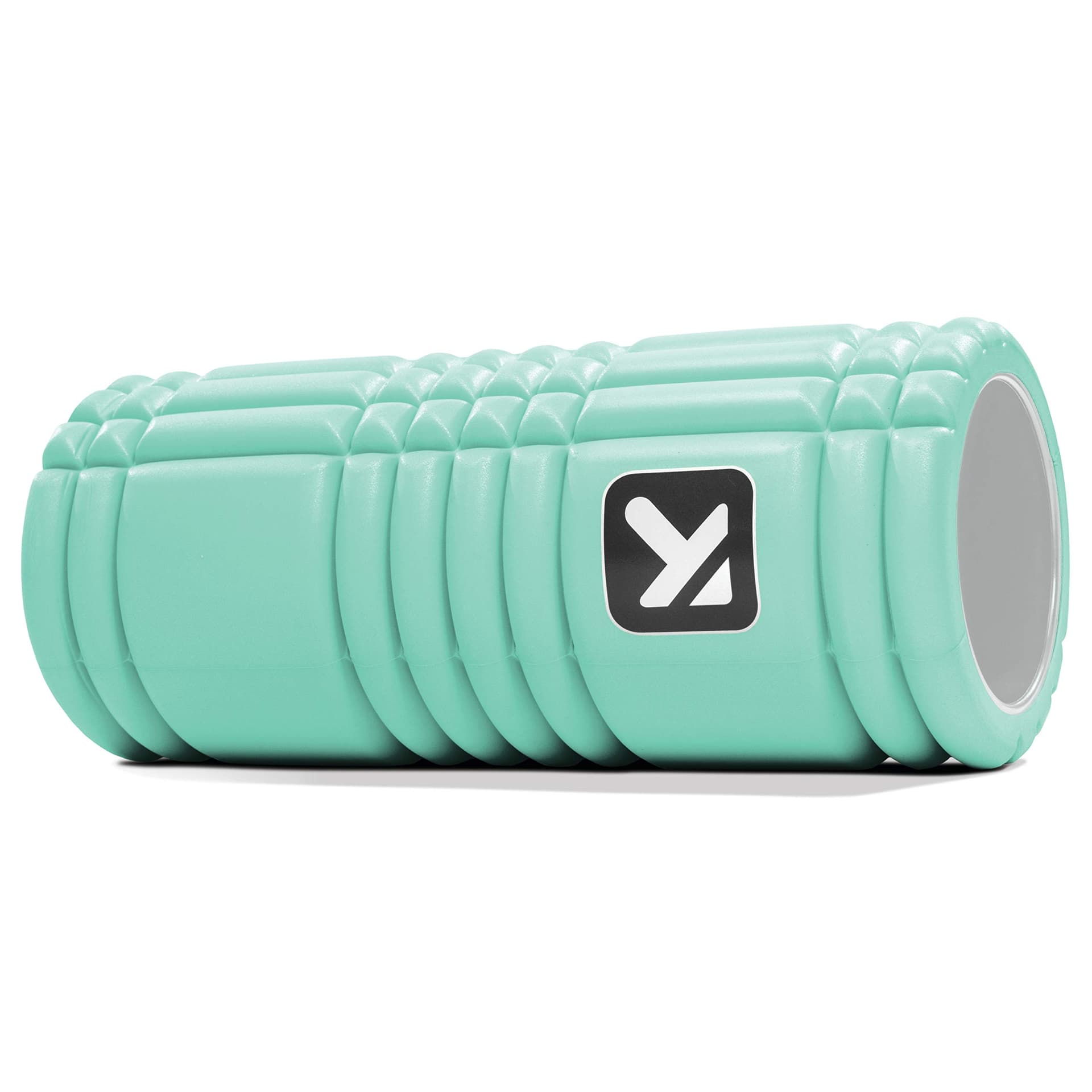
What separates it from the GRID sitting a few slots up the same search is the surface. The GRID uses a patented multi-density pattern over a hollow core, so pressure concentrates in the raised sections. The CORE spreads load across a continuous surface. Same brand, same category, genuinely different tool.
How we picked it
It is the cheapest of the eight, it carries the second-largest review pool of any distinct product here, and it is the only roller in the set whose defining spec is less aggression. That combination is unusual enough to be worth a close look, because the rest of this search is TriggerPoint selling you the same firm GRID surface at five different price points.
The comparison set: three GRID Original 13-inch colorways at 4.7 from a shared 23,676 ratings, a separate GRID Original listing in orange at 4.7 from 8,292 ratings, the GRID 2.0 at 26 inches, 4.6 from 4,838 ratings and the priciest of the eight at roughly three times the entry model, and the Gaiam Restore 36-inch at 4.3 from 1,047 ratings.
None of the eight appears in our recorded Fitness top thirty. We only have two days of data in that window, which is far too short to call a trend, but it does tell you these rollers are not the category's volume movers right now. The brands holding shelf space in that top thirty are Amazon Basics, Owala and Cool, which says more about water bottles than recovery gear.
Softer compression is the whole argument

Most people who quit foam rolling quit because it hurt in a way they could not interpret. A raised multi-density surface delivers real pressure into a small area, and on an untrained IT band or a quad that has never been touched, that reads as pain rather than release.
The CORE's continuous surface distributes the same bodyweight over more contact area. Lower peak pressure, longer tolerable sessions, more chance the thing still gets used in March.
The trade is obvious and the listing does not hide it: you get less targeted work. If you want to dig into a specific knot in the upper trap or the sole of the foot, a smooth cylinder is a blunt instrument and the GRID pattern is the reason the GRID exists. Buy the CORE for volume and tolerability. Buy the GRID for intensity.
What 8,041 ratings actually support
A 4.6 from 8,041 and a 4.7 from 23,676 are, for practical purposes, the same verdict. At those volumes the confidence interval on both is tight, and a tenth of a star is inside the noise created by listing consolidation, color variants and how many people are rating a shipping experience rather than a roller.
What the volume difference does tell you is age and momentum. The GRID Original has been accumulating ratings across multiple listings for over a decade, and if you add the orange listing's 8,292 to the shared 23,676, that surface has more than 30,000 published ratings behind it. The CORE has a third of that. Neither number is a worry. Both are in the range where the rating is a real signal.
Now the part that matters more: the 8,041 ratings are pooled across three lengths. A 12-inch travel roller and a 36-inch full-body roller are different objects with different failure modes, and a single star average cannot tell you whether the long version resists denting under a heavier user. That limitation applies to the GRID listings too. It is a structural problem with multi-size Amazon listings, and anyone quoting a star rating on foam rollers for recovery without mentioning it is overselling the data.
The number the spec sheet does not give you

The GRID 2.0 publishes a load rating: 500 pounds. The CORE listing publishes nothing of the kind. No density figure, no durometer, no weight capacity, no core construction detail beyond the softer-compression claim.
For a solid EVA cylinder that is less alarming than it sounds, because there is no hollow core to collapse. But it does mean the buyer cannot compare firmness across the two TriggerPoint families on any published number. You are trusting the word "softer" and the 4.6 average. We would rather have a spec.
Gaiam does at least say "high-density EVA" on the Restore, which is a claim about material even if it is not a measurement. TriggerPoint says less about the CORE than a competitor says about a cheaper roller. That is a disclosure gap, not a quality verdict.
Length is the decision people get wrong

The 36-inch version is the one to buy if this is your only roller and it lives at home. It spans wide enough to sit along the spine for thoracic extension without your shoulders sliding off, and it lets you roll both hamstrings at once instead of doing everything twice.
The 12-inch is a suitcase roller. Good for calves, quads and one glute at a time, useless for anything requiring you to lie along it.
The 18-inch is the compromise nobody needs. If you have room to store 18 inches of foam, you almost certainly have room for 36.
Worth noting: the two CORE listings in this data are the same product at different price standings, and the gap is almost certainly length. The cheapest of the eight is the short version. Do not read the entry price standing as a signal about the long roller, because the long roller sits around 1.6 times the entry model on the second listing.
Where it falls short
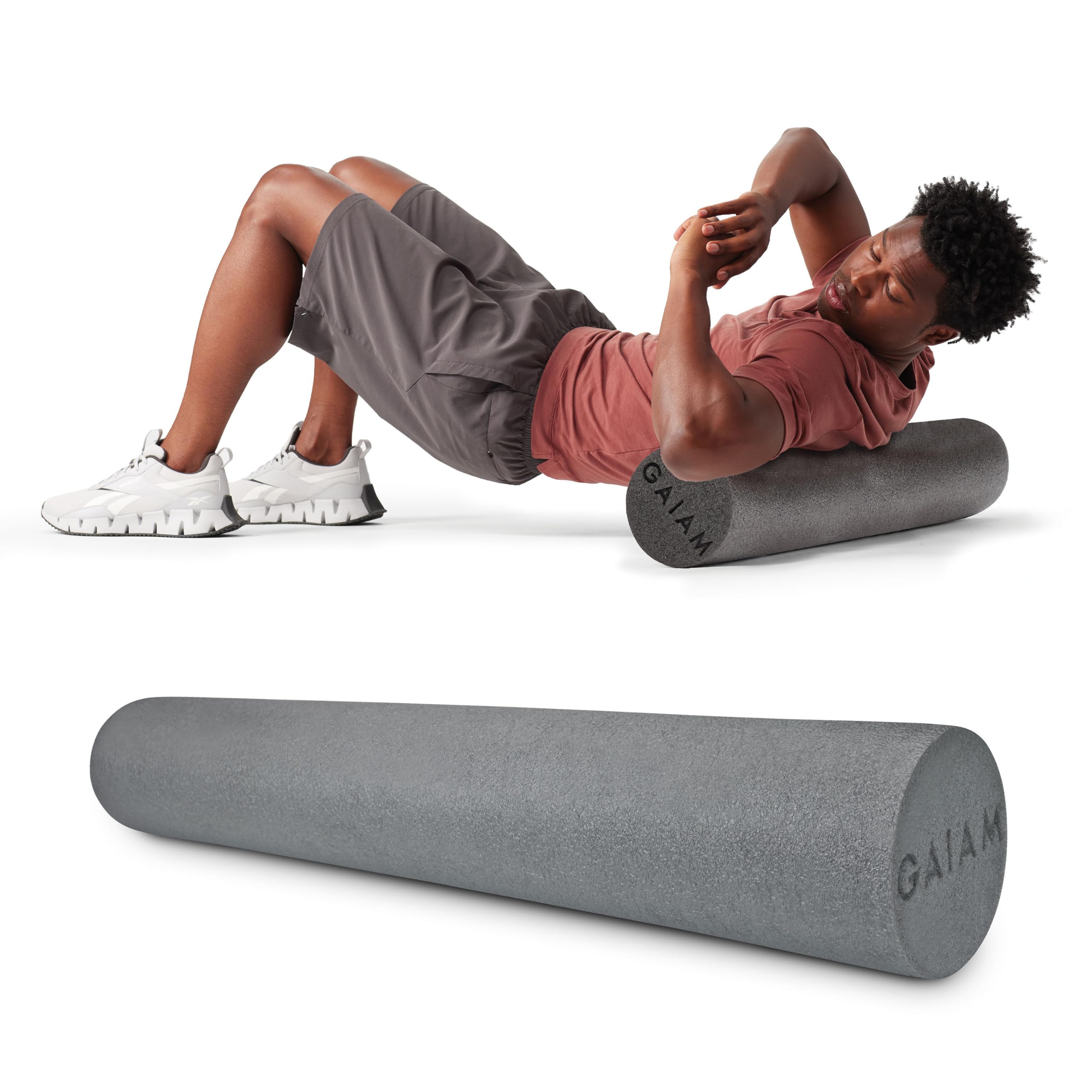
The smooth surface limits what you can do. No pattern means no channel for soft tissue to move into, so work along the spine and precise trigger point pressure are both compromised compared to the GRID. That is the single strongest reason to spend more.
The spec disclosure is thin. No published load rating on a product whose entire pitch is a firmness characteristic is a gap, and it puts more weight on the star average than a star average deserves.
The listing structure is a mess for buyers. Two ASINs, three lengths, one pooled rating, and a price standing that shifts depending on which listing you land on. Nobody comparing foam rollers for recovery should have to reverse-engineer that.
And none of the eight products here shows as Prime eligible in our data, which affects shipping and return friction. We treat scraped Prime flags as unreliable, so check the listing rather than taking that at face value.
Who should skip it
Anyone who has already used a firm roller and liked it. You will find the CORE underwhelming and you will end up buying a GRID anyway.
Anyone whose main goal is targeted work on stubborn spots: plantar fascia, upper traps, the lateral quad. Get a textured surface or a ball.
Heavier users who want a published capacity figure before committing. The GRID 2.0 gives you 500 pounds in writing. The CORE gives you nothing, and if that matters to you, buy the roller that answers the question. Anyone building a home setup around load tolerance generally should read our kettlebell comparison with the same skepticism about unpublished specs.
The alternatives

TriggerPoint GRID Original, orange. 4.7 from 8,292 ratings and the second cheapest of the eight. This is the smart buy in the whole set: the same firm multi-density surface as the mint, midnight and tan listings, at a lower price standing. The color changes the price, not the roller.
Check current price on Amazon
GRID Original, mint. Same roller, 4.7 from the shared 23,676 pool, around 1.8 times the entry model. Buy it if you want mint.
Check current price on Amazon
GRID Original, midnight. Identical spec and rating, a fraction cheaper than mint at 1.7 times the entry model. The most sensible of the three colorway listings if you want the standard 13-inch.
Check current price on Amazon
GRID with 30% renewable materials, tan. Same 4.7 and same review pool, with a materials claim attached. Nothing in the data says the surface behaves differently.
Check current price on Amazon
GRID 2.0, 26 inch. The premium option at roughly three times the entry model, 4.6 from 4,838 ratings, hollow core, 500-pound capacity. The one to buy if you want length and pattern together and you want a published load figure.
Check current price on Amazon
CORE, longer version. Same roller as our subject, larger size, 1.6 times the entry model. This is the one to get if the CORE is your only roller.
Check current price on Amazon
Gaiam Restore 36 inch. High-density EVA, third cheapest of the eight, and the weakest rating here at 4.3 from just 1,047 ratings. That is a small pool and a full third of a star behind the GRID. Consider it only if you want a long smooth roller and the brand matters to you.
Check current price on Amazon
Verdict
Our Rating: 4.4/5
The CORE earns its place as the entry point because softer compression is a real design answer to the reason most people abandon rolling, and 4.6 from 8,041 ratings is enough volume to trust. It loses half a point for a spec sheet that will not commit to a firmness or load number, and for a listing structure that pools three lengths under one average. If you are new to foam rollers for recovery, buy this one and buy it long. If you already know you want pressure, spend a little more on the orange GRID and skip the softer surface entirely.