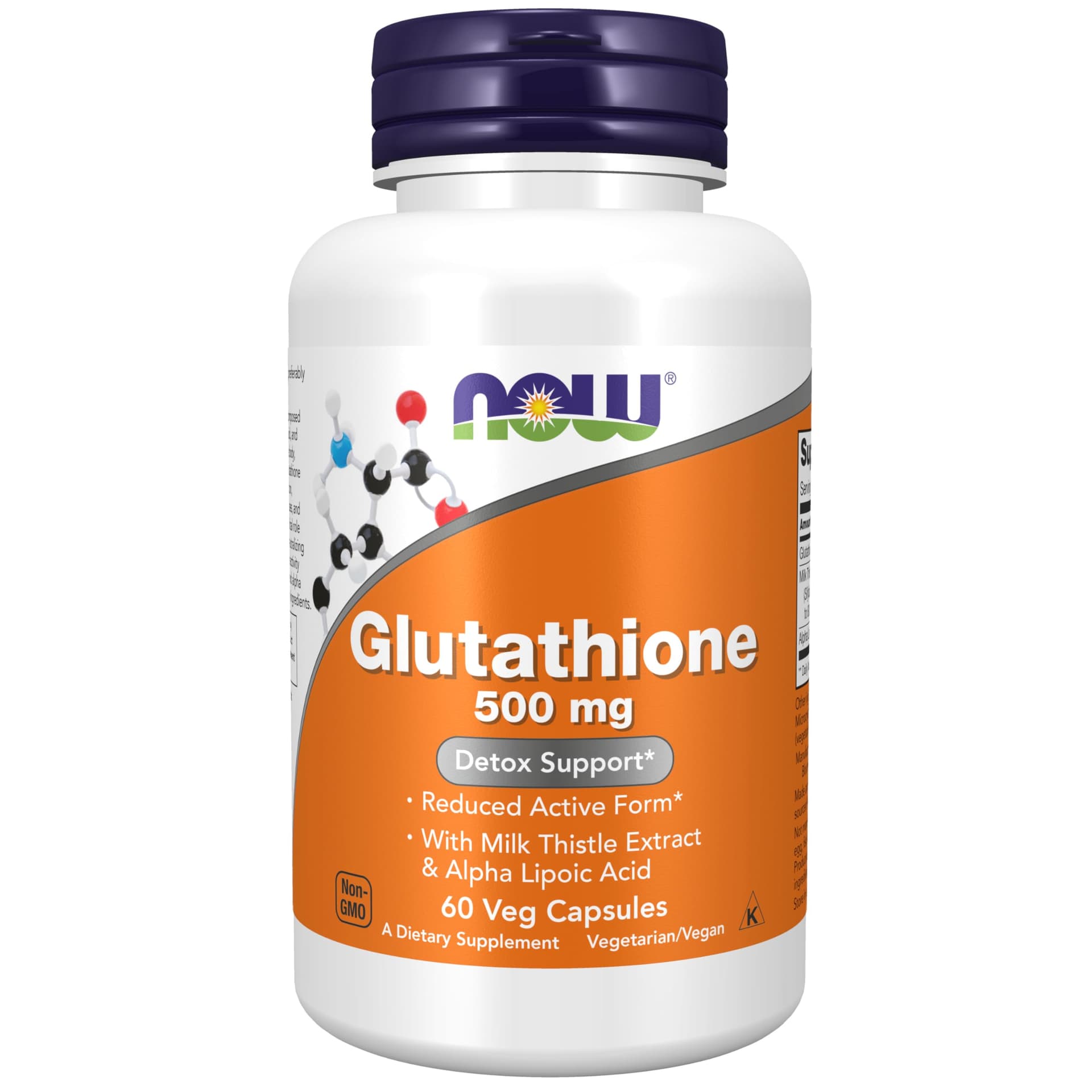
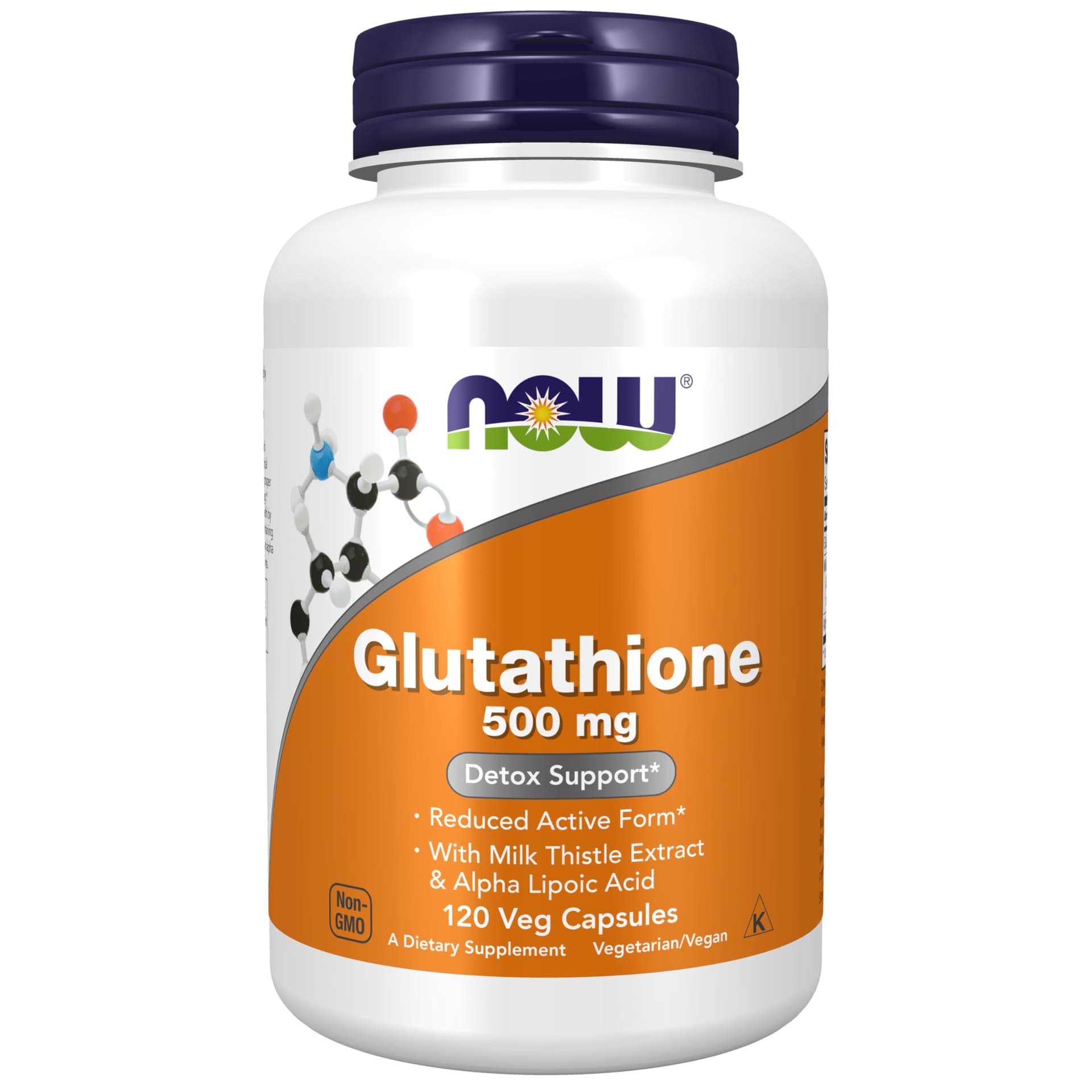
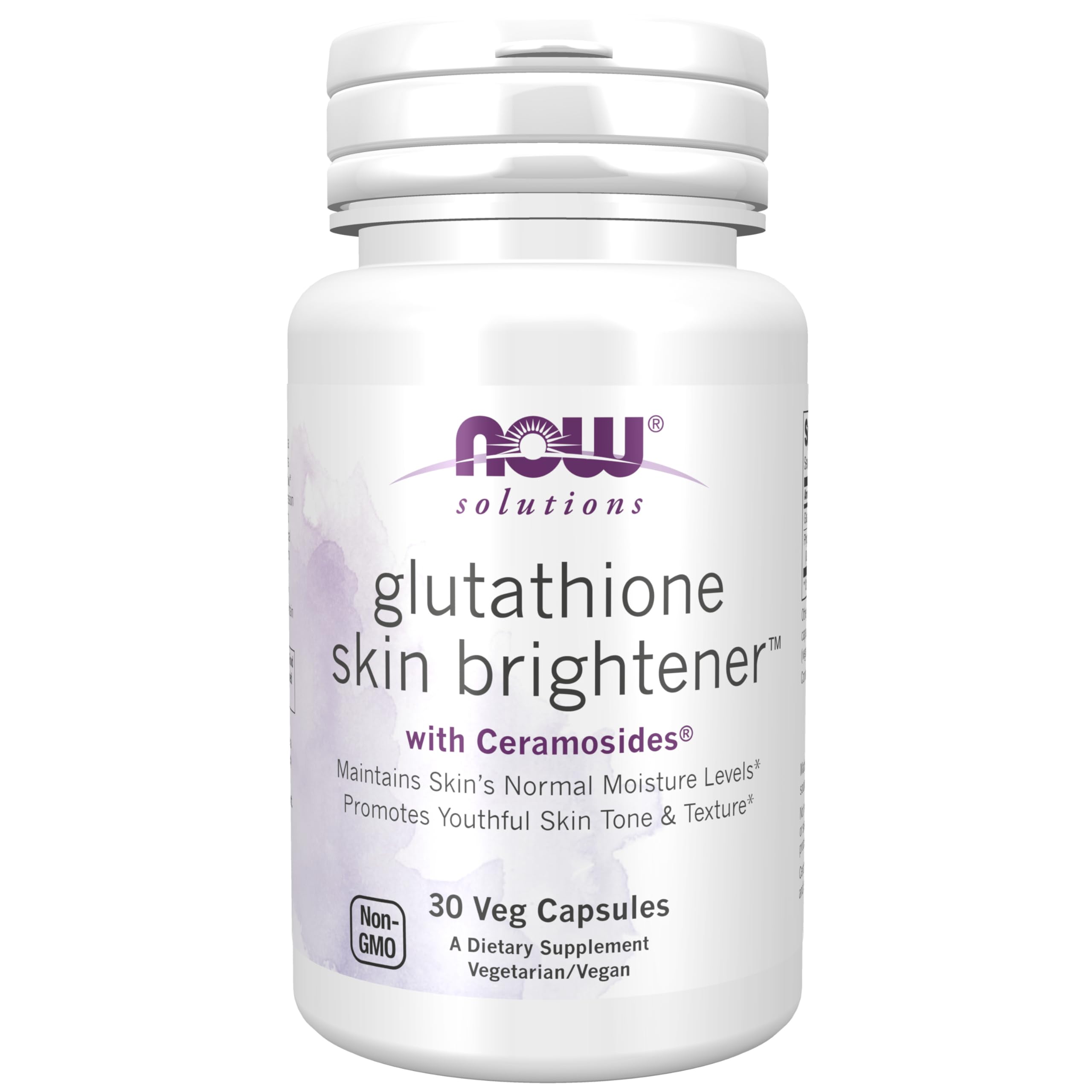
The only one of these three listings with the word "skin" in its name is also the lowest rated of the three, by half a star. That is the whole comparison in one sentence, and it deserves more attention than the marketing copy on any of the bottles.
| Criteria | NOW Solutions Skin Brightener, 30 caps | NOW Glutathione 500 mg, 60 caps | NOW Glutathione 500 mg, 120 caps | Winner |
|---|---|---|---|---|
| Best for | Buyers who want the listing that names skin and ceramides | First-time buyers of a stated 500 mg glutathione cap | Repeat buyers who already know they want this exact cap | 60-count |
| Key strength | Only formula here with a named branded ceramide ingredient (Ceramosides) | Disclosed 500 mg per serving, smallest sensible commitment | Twice the capsules for roughly 1.6x the mid-tier outlay | 60-count |
| Rating | 4.1 / 5 (267 ratings) | 4.6 / 5 (10,506 ratings) | 4.6 / 5 (10,506 ratings, pooled with the 60-count) | 500 mg pair |
| Verdict | Interesting formulation, thin and mediocre feedback record | The pick for almost everyone reading this | Right bottle, wrong first purchase | 60-count |
Our pick for most buyers is the NOW Glutathione 500 mg, 60 Veg Caps. It discloses its dose, it sits on the largest feedback record of the three by a factor of about 39, and it commits you to the smallest quantity of a capsule you may not want to keep taking. If you have already bought this exact product and finished a bottle, move up to the 120-count, because the per-capsule arithmetic clearly favours it.
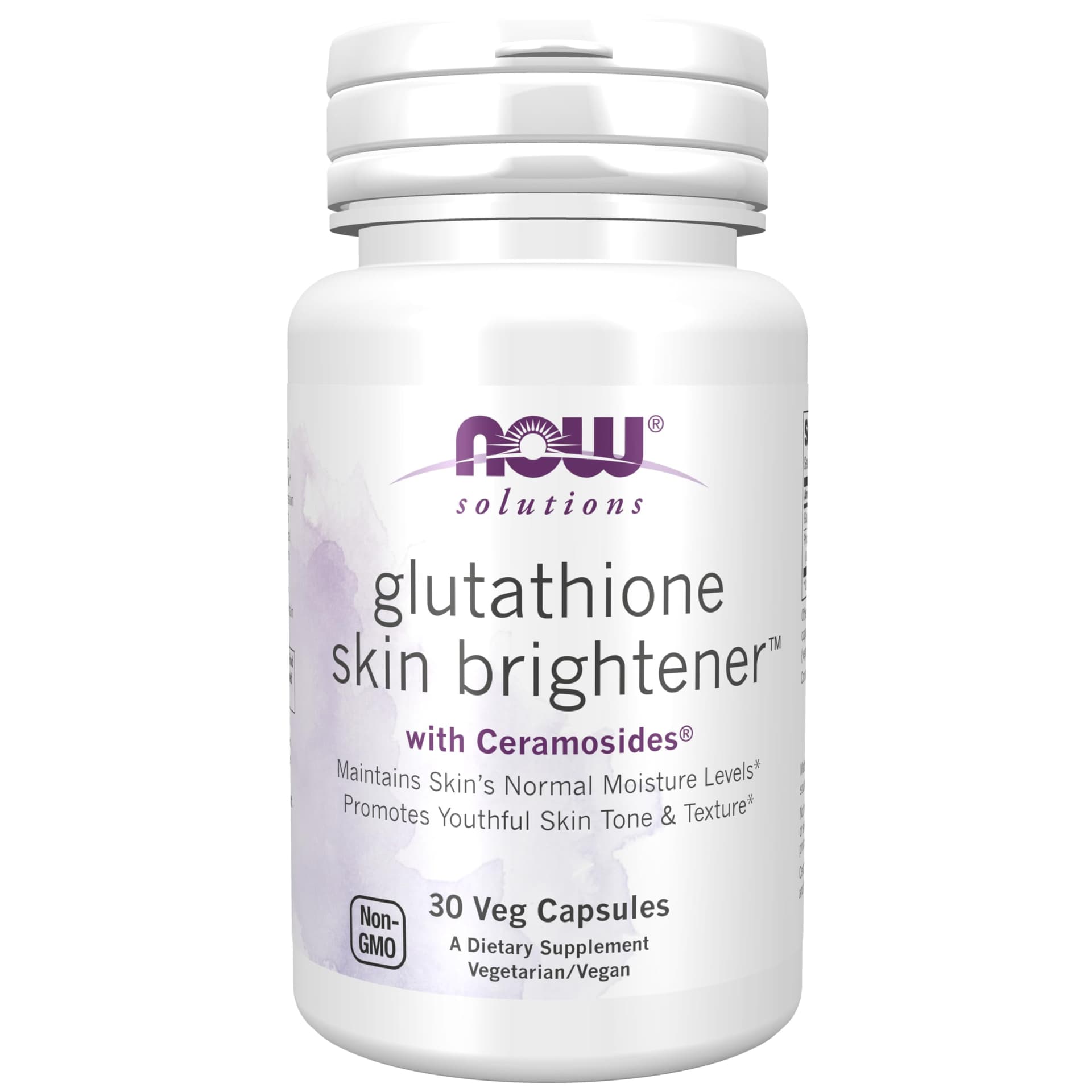
The NOW Solutions Glutathione Skin Brightener with Ceramosides is the odd one out, and the interesting one. It is the entry price, it is the only formula here built around something other than glutathione alone, and it carries a 4.1 from 267 ratings. For a supplement, 4.1 is not a good number. More on why below.
How we compared these
Nobody here has swallowed a capsule from any of these bottles, and no clinician reviewed this page. So this comparison works with what the listings actually publish: dose and unit where stated, capsule form and count, brand, rating, review volume, relative price standing and fulfilment status. Nothing about what any of these do inside a human body appears below, because that is not knowable from a product page and we are not going to pretend otherwise.
What we can do is read the data harder than a spec dump does. Review counts have structure. Ratings have context. Two of these three listings share a number in a way that changes how much weight it can carry, and the price ladder contains an inversion that the "best value" label misses.
Worth one honest sentence: none of these three products appeared in our recorded Health category top thirty during the 2026-09-06 to 2026-09-08 window. That is only two days of recording, far too short to call a trend, but it does tell you these are not the category's volume sellers.
Dose disclosure: the 500 mg pair walks it

The two 500 mg bottles put a number on the front. Five hundred milligrams, per serving, stated on the listing. Whatever you think of glutathione as an ingredient, you know what you are buying.
The Skin Brightener does not publish a glutathione figure in its listing at all. It names Ceramosides, a branded ceramide ingredient, and it names glutathione, and it stops there. You cannot compare it milligram to milligram against the other two, which means you cannot tell whether it contains a comparable amount of glutathione, a fraction of it, or a token inclusion sitting behind the branded ingredient in the marketing.
That is a real gap, and it is the single most important thing on this page. A buyer searching for a glutathione supplement for skin reasons is being offered a naming choice rather than a formulation choice, because only one of the two things being compared has published its numbers.
None of the three listings state the glutathione form in their feature text either (reduced, L-glutathione, liposomal, setoglutathione). If that distinction matters to you, the product page is where you check the supplement facts panel, not this article.
Winner: the 500 mg pair, by default. A disclosed dose beats an undisclosed one every time.
Ratings: 4.6 from ten thousand, or 4.1 from 267?
Here is where the numbers need unpacking. The 60-count and the 120-count both display 4.6 out of 5 from 10,506 ratings. Identical figures. That is not a coincidence and it is not two independent verdicts agreeing: Amazon pools reviews across size variants of the same product, so that 10,506 is a shared pot covering both bottles and likely other sizes sold under the same parent listing.
Practical consequence: the 4.6 is excellent evidence about the capsule, and almost no evidence about the specific bottle you receive. If the 120-count has a distinct packaging problem, a seal issue, a fill-count complaint, that signal is diluted across ten thousand ratings of the smaller bottle. Buying the 120-count means trusting the capsule, not the SKU.
The Skin Brightener's 267 ratings are its own. That is a genuinely independent record, and it is small. At that volume, a 4.1 has meaningful confidence intervals around it, but it is not so small that you can dismiss it as noise from a handful of grumpy buyers.
And 4.1 needs context. Supplement listings run high, because the product is impossible for most buyers to evaluate and the ones who bother to review tend to be the ones who chose it deliberately. Anything in the 4.4 to 4.7 band is unremarkable. A 4.1 means somewhere around a fifth to a quarter of raters were not satisfied, and for a capsule the recurring reasons in that band are usually consistent: no perceived change, capsule size or aftertaste, packaging or count problems, or price resentment. We cannot tell you which of those dominates here, because the distribution of critical reviews is not in the data we have. What we can say is that a 0.5 star gap between two products from the same brand is a real gap, not rounding.
Winner: the 500 mg pair on raw score, with an asterisk. The Skin Brightener's number is smaller but cleaner. The 500 mg number is far larger but shared.
Count and commitment
Thirty capsules, sixty capsules, one hundred and twenty capsules. If the serving size is one capsule daily, that is roughly one month, two months and four months respectively, though none of the listings state serving size in the feature text, so treat that as an assumption rather than a fact.
The 30-count is the low-commitment option by a wide margin. For an ingredient nobody can predict a response to, and for a listing rated 4.1, that is not nothing. Buying the smallest quantity of the least proven product on the shelf is a defensible move.
The 120-count is the opposite trade. Four times the capsules of the entry bottle, and the highest outlay of the three. Supplement capsules do not last forever, and a four-month bottle bought on a hunch becomes an expensive cupboard ornament if you decide in week two that you are done.
Winner: the 60-count. It is the only one of the three that is both a disclosed dose and a reversible decision.
Value, and where the "best value" label gets it wrong

Relative standing, since no figures belong in an article that goes stale: the 30-count Skin Brightener is the entry model. The 60-count sits at roughly 1.3x that. The 120-count sits at roughly 2.1x it.
Run the per-capsule maths on the two identical-formula bottles. Going from 60 to 120 capsules means roughly 1.6x the money for exactly twice the product. The 120-count is the cheaper capsule, plainly, and by a margin that is not close.
So calling the 60-count the "best value" is only right if you weight risk alongside cost per unit, which we do. Cheapest per capsule is not the same as best value when the thing you are buying is a four-month commitment to a capsule you have never taken. If you have taken it, the calculus flips entirely and the 120-count becomes obviously correct.
The Skin Brightener cannot be priced against either, because it has no disclosed glutathione dose and contains an ingredient the others do not. Cheapest bottle on the shelf, unknown cost per milligram. That is the honest read.
Winner: split. 120-count on cost per capsule, 60-count on cost per unit of regret.
Fulfilment
None of the three are Prime eligible. Zero for three. None are currently discounted either. For a supplement you plan to take daily, non-Prime shipping means planning your reorder earlier than you would for a Prime staple, and it means the delivery estimate on the product page is the one to read rather than assume. It affects all three equally, so it decides nothing between them, but it is worth knowing before you build a routine around a bottle that takes a while to arrive.
Full specs comparison
| Spec | Skin Brightener, 30 caps | Glutathione 500 mg, 60 caps | Glutathione 500 mg, 120 caps |
|---|---|---|---|
| Brand | NOW (NOW Solutions line) | NOW | NOW |
| Stated dose | Not stated in listing | 500 mg | 500 mg |
| Named secondary ingredient | Ceramosides (branded ceramide) | None listed | None listed |
| Listing positioning | Named as a skin brightener | Listed for detoxification support | Listed for detoxification support |
| Form | Veg caps | Veg caps | Veg caps |
| Count | 30 | 60 | 120 |
| Rating | 4.1 / 5 | 4.6 / 5 | 4.6 / 5 |
| Ratings volume | 267 (independent) | 10,506 (pooled across variants) | 10,506 (same pooled figure) |
| Price standing | Entry | About 1.3x entry | About 2.1x entry |
| Prime | No | No | No |
| Serving size stated | No | No | No |
Who should buy the NOW Solutions Glutathione Skin Brightener
Buy this one if the combination of glutathione with a named branded ceramide is specifically what you went looking for, and you accept that you are buying the weakest evidence record on this page. It is the only product of the three whose listing is written around skin at all, which is presumably why searches for a glutathione supplement skin formula land here.
Pros: entry price of the three; the only formula with a named secondary ingredient (Ceramosides); smallest count, so the least money at risk; its 267 ratings are its own rather than pooled with other sizes.
Cons: 4.1 is well below the norm for a supplement listing and half a star behind its own stablemates; no glutathione dose disclosed, so no milligram comparison is possible; 30 capsules run out fastest, and reordering a non-Prime item monthly is a chore; the skin positioning in the product name is doing more work than anything disclosed on the label.
Who should buy the NOW Glutathione 500 mg, 60 Veg Caps
This is the default recommendation and it is not a close call. You get a published dose, the brand's largest feedback record, and a two-month bottle rather than a four-month one. If you are new to the ingredient and you want a straightforward glutathione supplement rather than a skin-marketed blend, start here and decide later whether to size up.
Cons first, because they matter: the 10,506-rating figure is pooled across size variants, so it says more about the capsule than this bottle; it costs meaningfully more per capsule than the 120-count, so buying it twice is worse than buying the big one once; the listing is positioned for detoxification support, not skin, so anyone shopping the keyword is choosing it in spite of its own marketing; no Prime, no current discount.
Pros: disclosed 500 mg per serving; 4.6 average across a very large pot of feedback; veg caps; smallest sensible commitment for a disclosed-dose product; sits at only about 1.3x the entry model.
Who should buy the NOW Glutathione 500 mg, 120 Veg Caps
One buyer profile only: the person who has already finished a bottle of the 60-count and wants to keep going. For that person this is the correct purchase and the 60-count is now a mistake, because twice the capsules for roughly 1.6x the money is not a trade you turn down.
Pros: cheapest per capsule of the three by a clear margin; same disclosed 500 mg per serving; fewest reorders, which matters more than usual given nothing here ships Prime.
Cons: highest outlay of the three, at roughly 2.1x the entry model; a roughly four-month supply is a lot of capsules to own before you know whether you want them; its 4.6 rating is the same pooled number as the 60-count, so there is no bottle-specific evidence about this SKU at all; like the 60-count, its listing says nothing about skin.
Common questions
Why do the 60-count and 120-count show the same rating? Because Amazon pools ratings across variants of one parent listing. It is the same 10,506-rating pot displayed twice. Treat it as a verdict on the capsule rather than on either bottle.
Is the Skin Brightener a stronger glutathione supplement for skin than the plain 500 mg caps? Unknowable from the listings. It names Ceramosides and is marketed around skin; the 500 mg caps disclose a dose and are marketed around detoxification support. One publishes its number and the other publishes its positioning. Pick which of those you would rather have.
Is 4.1 from 267 ratings actually bad? For a supplement, yes, relatively. The band most supplement listings occupy is 4.4 to 4.7, and 4.1 is a visible step below that from a brand whose own 500 mg product sits at 4.6.
Should I just buy the 120-count straight away to save money? Only if you have taken this exact capsule before. Otherwise the saving per capsule is real and the risk of owning four months of something you abandon is also real.
Does it matter that none are Prime eligible? Not for choosing between them, since it applies to all three. It matters for reordering: check the delivery estimate on the page rather than assuming two-day arrival, particularly with the 30-count.
The verdict
Pick the 60-count Glutathione 500 mg if you want a disclosed dose, the strongest feedback record on this shelf and an exit route after two months. Pick the 120-count if you are a repeat buyer, in which case the per-capsule maths makes it the only rational choice. Pick the Skin Brightener only if the ceramide inclusion is the reason you came, and go in knowing that it is the lowest-rated product of the three and the only one that will not tell you how much glutathione is in a capsule.
The uncomfortable finding: the listing built for the exact search that brings people here is the one we would recommend least, and the two we recommend do not mention skin anywhere in their marketing. That is not a flaw in the products so much as a flaw in how supplement shelves are organised. If you are building a routine rather than buying a single bottle, our write-ups on biotin hair, skin and nails formulas and vitamin C serums cover the same territory from the topical and multi-ingredient side, and the multivitamin comparison deals with the same disclosure problem in a different aisle.